Yoga and foam rolling can complement each other in training
If you are adding mobility work around runs or strength sessions, yoga and foam rolling may both look useful. They can sit in the same training week, but research does not show that combining them is better than choosing one.
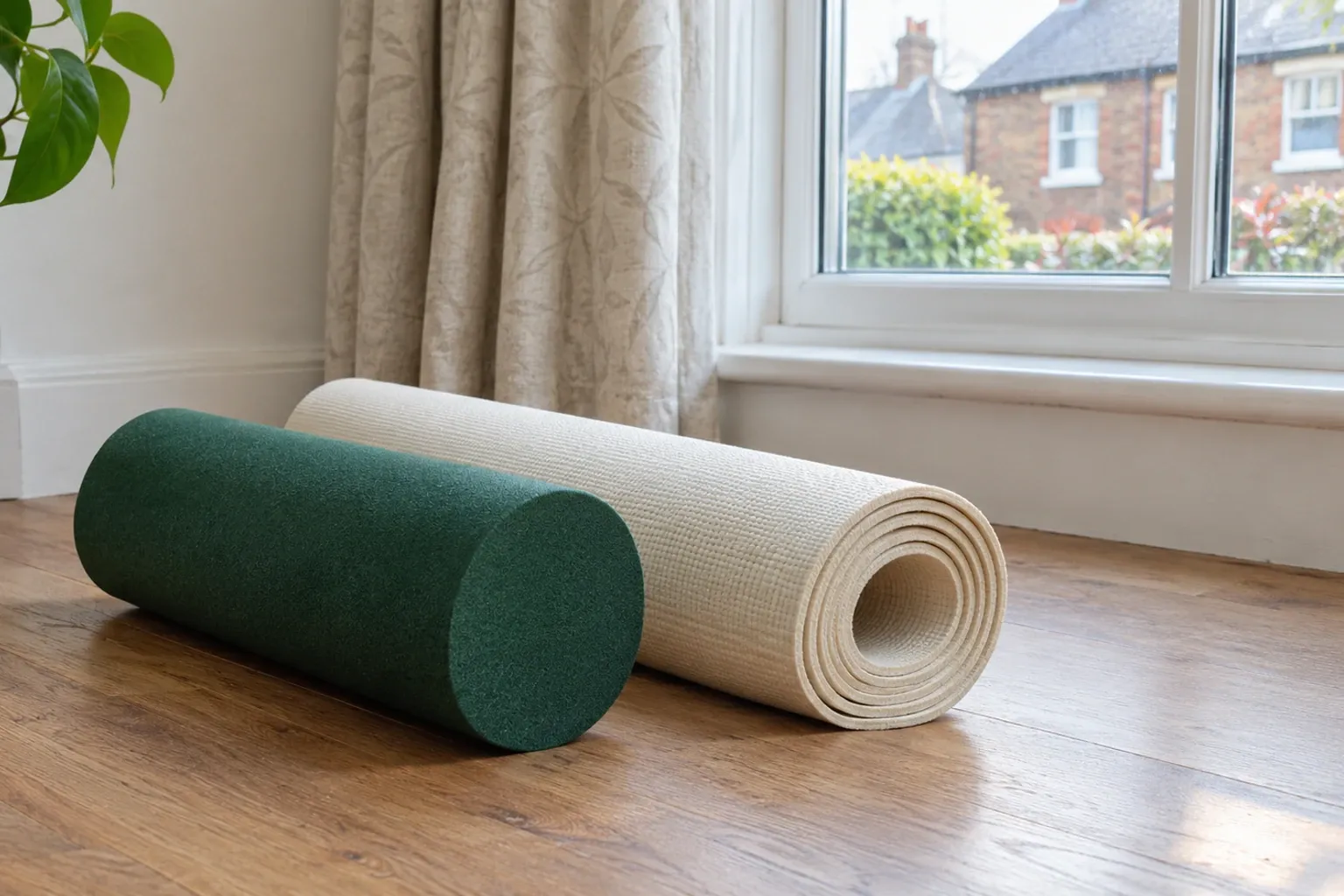
After a run or a demanding gym session, you might reach for a foam roller, book a yoga class, or wonder whether doing both will help you move more freely. The answer depends on what you want from the session: yoga brings together movement, breathing and, in some styles, meditation, while rolling applies pressure to selected muscles. Evidence on each practice covers different questions, so it helps to separate what researchers have studied from what a sensible routine might look like.
What does each practice offer?
Yoga is not simply a set of stretches. Depending on the class, it may combine physical postures with breathing techniques and meditation. Styles also vary in pace and physical demand, so “doing yoga” can mean quite different things from one session to another. Foam rolling, by contrast, is a form of self-massage: you use your body weight or a roller tool to apply pressure as you move it over a targeted area.
That difference matters when you are choosing. Yoga can provide a structured movement session and time to focus on breathing; rolling is a more targeted add-on. Neither needs to be treated as a compulsory ritual before every workout. If your priority is building fitness for a first race, use your main training sessions as the foundation and consider planning your running challenge around the work you can recover from consistently.
What does the research say about combining them?
The research does not establish that yoga plus foam rolling is better than either practice on its own. A systematic review and meta-analysis of acute sessions compared combined foam rolling and stretching with stretching or rolling alone. It found that the combination improved range of motion compared with doing neither, but did not have a superior effect on range of motion compared with either method alone. For physical performance, it found no overall difference between the combined approach and stretching alone. These findings concern stretching, not yoga as a complete practice, so they should not be presented as direct evidence that yoga combined with rolling improves performance. You can read the study’s findings in the systematic review of foam rolling combined with stretching.
The same review reported that, in the studies it analysed, foam-rolling bouts ranged from 30 to 120 seconds, with a mean of 66.0 seconds, while stretching bouts ranged from 10 to 90 seconds, with a mean of 65.7 seconds. Those are descriptions of the research protocols, not a prescription for your own routine. Its practical conclusion was that rolling or stretching alone may be enough when the immediate aim is to increase joint range of motion.
A separate meta-analysis of foam rolling looked at performance and recovery rather than yoga. Across the included research, rolling before exercise had a small positive effect on flexibility and sprint performance, and a negligible effect on strength and jump performance; after exercise, the reported reduction in muscle soreness was small. The authors assessed results across different studies and outcomes, not a guarantee that an individual will notice a benefit. The foam-rolling meta-analysis also notes that the evidence base was limited and that findings varied by outcome. It does not show that rolling releases fascia, removes toxins or prevents injuries.
How is yoga evidence different from stretching evidence?
Yoga may include stretching, but research on stretching alone cannot tell you whether a yoga class has the same effects. Yoga programmes can differ in postures, pace, breathing and other elements, which makes it difficult to compare one study with another. The US National Center for Complementary and Integrative Health describes yoga as typically combining postures, breathing techniques and meditation, and notes that styles vary from gentle to physically demanding. Its evidence summary reports that research suggests yoga may support general wellness, including sleep, balance and mental or emotional health, but this is not proof that yoga boosts race performance or works as a treatment for an injury. See the NCCIH overview of yoga effectiveness and safety for the scope and limitations of that evidence.
So, be precise about the goal. If you want a movement practice you enjoy and can repeat, yoga may suit you. If you want to apply pressure to a particular muscle area, rolling may feel more relevant. If your goal is to improve a joint’s range of motion for a session, research supports considering either stretching or rolling, but does not establish that adding both is necessary. And if you are interested in yoga’s broader elements, stretching studies alone cannot confirm those effects.
How can you fit both into a training week?
Treat any routine as an option to test, not a proven formula. For example, you could attend a comfortable yoga session on a non-running day and use a brief, gentle rolling session after a workout if you find it pleasant. Or you could choose one practice at a time to see whether it helps you feel ready to train. There is no need to stack both into every warm-up or recovery period.
Before a run or strength workout, prioritise a gradual start and movements that prepare you for the activity ahead. A yoga class that leaves you tired or sore may not be the right choice immediately before a demanding session. Similarly, avoid pressing so hard with a roller that the experience becomes painful. The study timings above describe research protocols; they are not proven minimums, maximums or personalised instructions. Keep any trial short and comfortable, and stop if it causes sharp or worsening pain.
For a flexible example, you might spend a few minutes rolling one area before moving on to an easy warm-up, or choose a gentle yoga class at a time when it will not crowd out your planned training. Those timings are illustrative, not evidence-based prescriptions. You can also do yoga and rolling on separate days; the order is a matter of convenience, since there is no established yoga-and-rolling sequence shown to be superior.
How can you tell whether the choice is useful?
Decide what you are checking before you begin. Are you looking for a session you enjoy, a temporary sense of easier movement, or a way to settle into recovery? Notice how you feel during the practice and whether it fits around your main training. Keep the comparison simple: try one approach at a time rather than changing several parts of your routine at once. A comfortable session that fits your week can be more practical than a longer routine you struggle to repeat.
Do not use a better stretch or a temporary change in how your muscles feel as proof that an injury has healed or that you can safely increase training load. Yoga-related sprains and strains can occur, and the NCCIH advises beginners to avoid extreme poses and forceful breathing. If you have a health condition, a current injury or other circumstances that affect exercise, get advice suited to your situation before trying a new practice. For persistent or worsening symptoms, seek an appropriate health professional rather than relying on yoga or a roller to diagnose or treat the cause.
The useful takeaway is modest: yoga and foam rolling can both be options in a training routine, but they are not interchangeable, and combining them has not been shown to be necessary or superior. Choose by purpose, keep the effort comfortable, and leave enough energy for the training that matters to you.
Frequently asked questions
Should I do yoga or foam rolling before a run?
Choose a short, comfortable warm-up that prepares you to run rather than trying to force more flexibility. Foam rolling or stretching can temporarily increase joint range of motion, but the available research does not establish that everyone needs either one before a run. If yoga is part of your routine, avoid turning a pre-run session into a long, strenuous class. Give yourself time for easy movement and a gradual start.
Can foam rolling replace a yoga session?
Not really, because they are different activities. Rolling applies pressure to particular areas and may be useful if you like the sensation or want to work on a limited area of movement. Yoga can involve postures, breathing and relaxation, depending on the style. A roller does not reproduce those elements, and yoga does not provide the same targeted pressure. Pick based on the purpose you want to serve.
How often should I combine yoga and foam rolling?
There is no research-backed schedule that establishes an ideal frequency for combining them. Let your overall training, time and response guide the choice rather than treating a particular number of sessions as necessary. You might use one briefly after training and attend yoga on a separate day, or choose only one when time is short. If a practice causes pain or interferes with your next session, reduce or stop it.