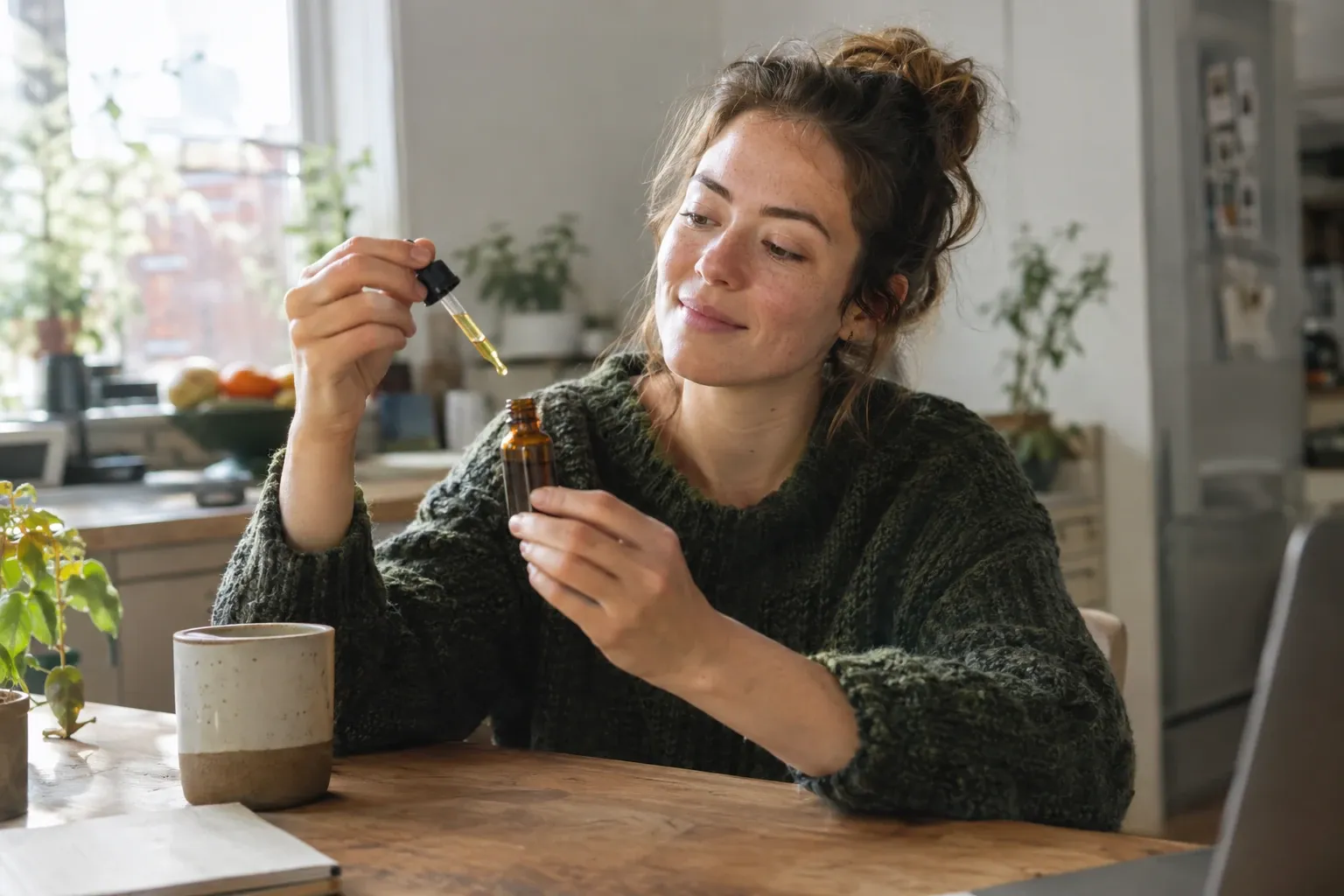
If you are considering CBD oil for sleep, recovery or general wellbeing, start with what is known rather than the claims on the label. CBD products sold as food supplements are subject to novel food rules, and the Food Standards Agency (FSA) advises healthy adults to limit CBD from food to 10 mg a day. That is a precautionary limit, not a proven effective dose. Before buying or using a product, check its status, contents and possible interaction with medicines.
What can CBD oil realistically do?
CBD, short for cannabidiol, is a compound found in cannabis and hemp. A product being sold for sleep, stress or exercise recovery does not establish that it works for those purposes. Separate the evidence from the marketing, and be wary of claims that CBD treats or prevents illness. The FSA’s consumer guidance focuses on safety and does not establish CBD as a general remedy.
For a closer look at what benefits are supported by evidence, consider the specific outcome being claimed and whether research actually measured it. Sleep is a separate question: CBD and sleep research does not mean a bottle is a proven sleep treatment.
What should you check on a UK CBD product?
CBD oils sold as foods or food supplements are classed as novel foods. The FSA says these products require authorisation before they can be legally sold as food, and its public list identifies products linked to applications that are progressing through the process. Inclusion on the list is not an endorsement or a guarantee of future authorisation. Check the FSA product list for England and Wales, and read the FSA’s CBD guidance for the applicable advice. The public list’s scope is England and Wales; check the relevant food-safety authority for Scotland or Northern Ireland.
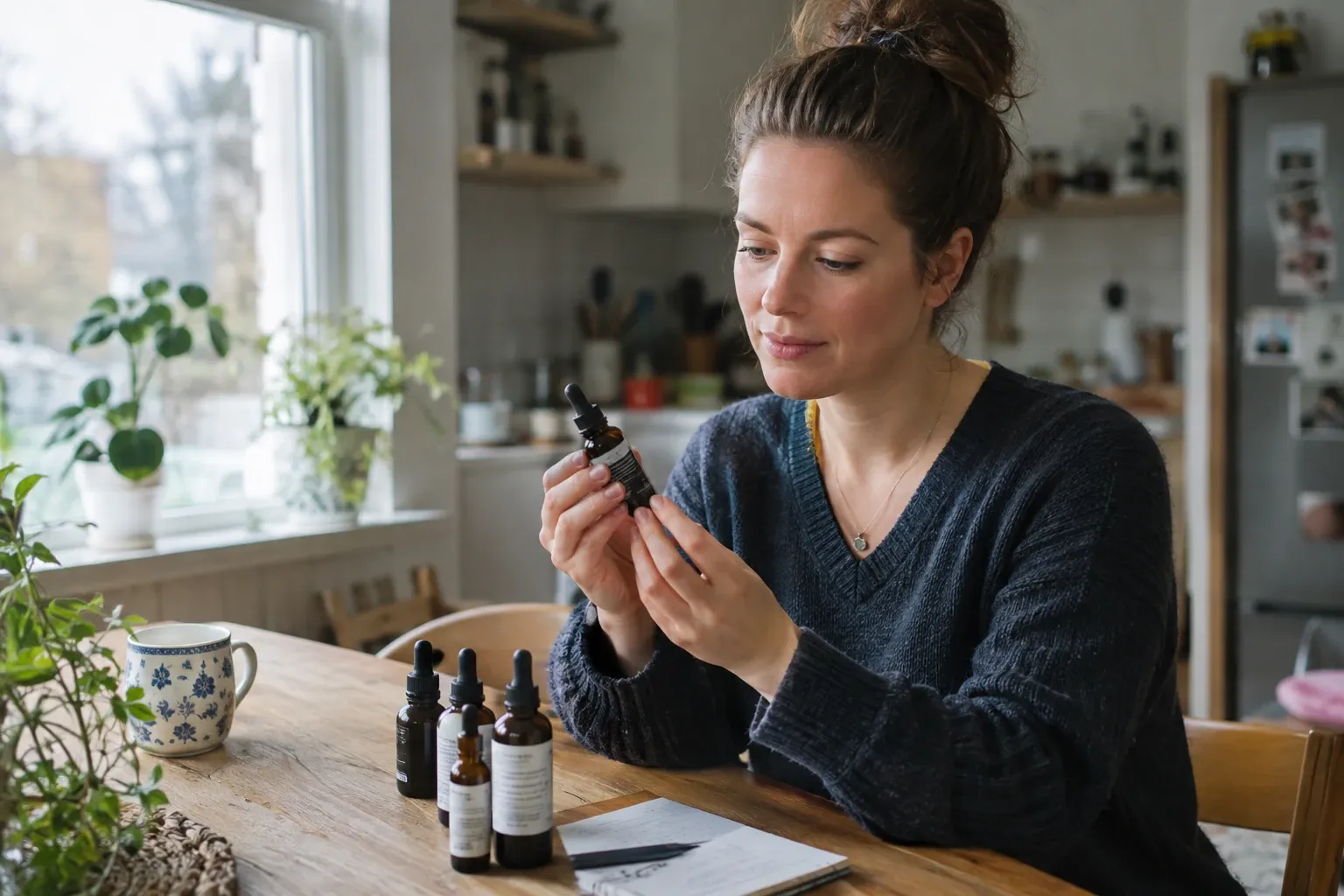
Read the label for the amount of CBD per serving, not just the total in the bottle. The FSA advises healthy adults to limit CBD from food to 10 mg per day and encourages clear serving information. This is a precautionary maximum, not a target dose or evidence that 10 mg will produce a benefit. If you use more than one CBD product, add their CBD amounts together.
CBD and THC are different compounds, but some products may contain THC or other controlled cannabinoids. The Home Office explains that the legal status of a CBD product depends on its contents and whether it meets the relevant exemption; there is no simple rule that makes every product legal just because it is labelled CBD. Read the Home Office factsheet on CBD and controlled cannabinoids and check the UK rules before buying CBD oil.
How do oils, capsules and vaping differ?
Oils are taken by mouth, while capsules and gummies are also oral products; they differ in format and how you measure a serving. Check each label rather than assuming that a dropperful, capsule or gummy contains a standard amount. Advice on CBD food products applies to CBD consumed as food, so do not assume that changing the format removes safety or legal questions.
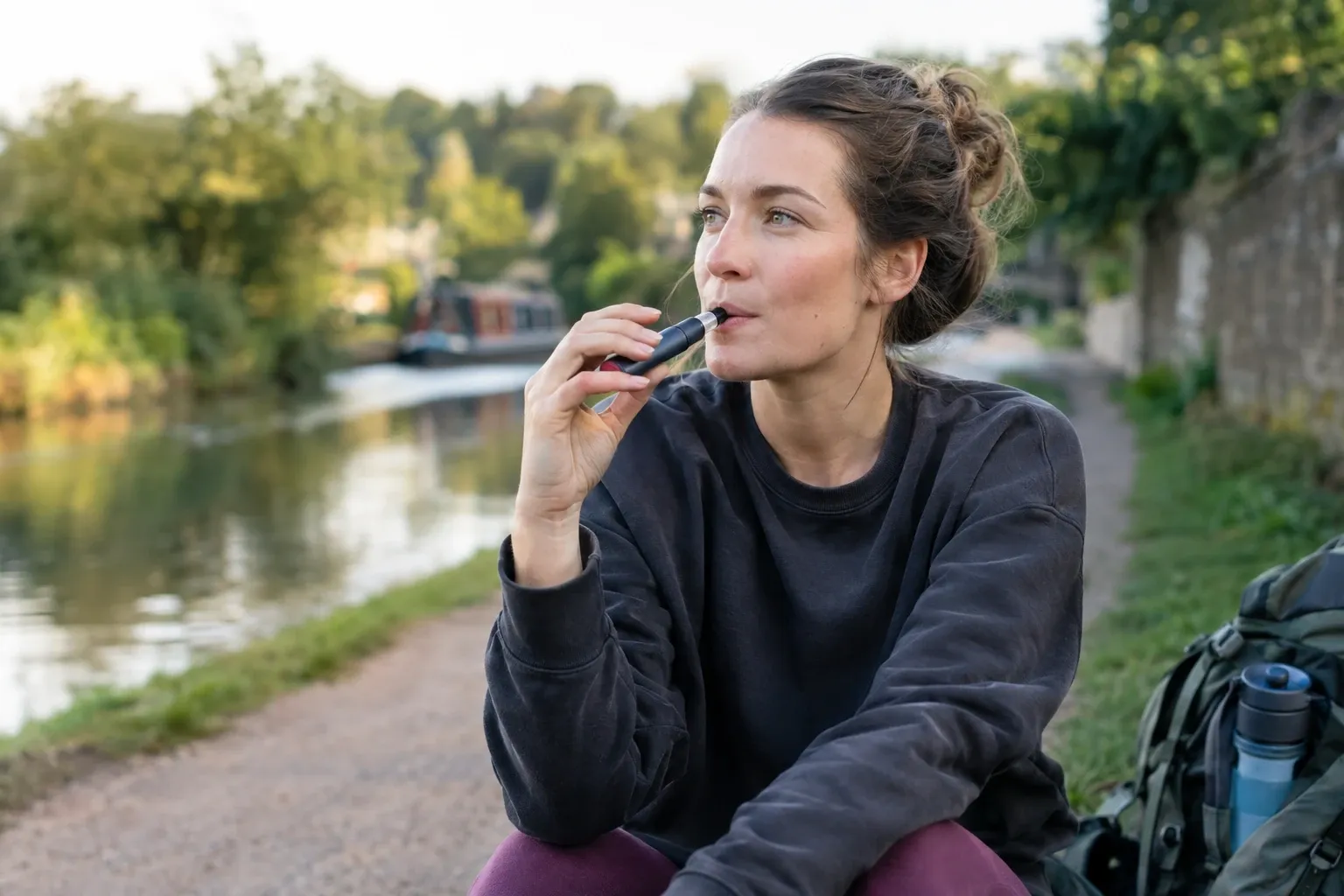
Vaping is not the same as taking an oral supplement. If you are comparing routes, read about CBD vaping and its risks separately rather than treating vape liquid as interchangeable with oil. Avoid using a product in a way its label does not describe.
How can you use CBD more cautiously?
The FSA advises people taking medication to consult a healthcare professional before using CBD. Its guidance also says CBD is not suitable for people under 18, during pregnancy or breastfeeding, or for people trying to conceive; it advises those who are immunosuppressed to consult a healthcare professional. If any of these apply to you, do not rely on a retailer’s reassurance.
If you decide to use a CBD food product, check the amount per serving and keep your total daily intake within the FSA’s 10 mg limit for healthy adults. Do not treat this limit as an instruction to start taking CBD. Stop and seek professional advice if you experience an unwanted effect or have concerns about a medicine interaction.
How can you tell whether it is helping?
Be clear about the outcome you are trying to assess, such as whether you fall asleep more easily or feel different after training. Keep other routines steady where possible, and note any unwanted effects as well as any perceived change. A personal impression cannot show that CBD caused the change, and it is not a substitute for medical advice or treatment.
If you notice no clear benefit, that is a reason to reconsider using the product, not to exceed the FSA’s advised limit. If symptoms persist or affect your daily life, speak to a healthcare professional rather than relying on CBD oil alone.
Frequently asked questions
Is CBD oil legal in the UK?
CBD itself is not controlled as a drug, but a CBD product may contain controlled cannabinoids such as THC. CBD oils sold as foods also fall under novel food rules and require authorisation. The FSA maintains a list of products linked to applications in progress, but being listed is not the same as full authorisation. Rules and enforcement guidance can vary across the UK, so check the relevant national guidance.
How much CBD oil should I take?
The FSA advises healthy adults to consume no more than 10 mg of CBD per day from food products. This is a precautionary upper limit, not a recommended starting dose or a dose shown to deliver a particular benefit. Check the CBD amount per serving on the label, and count CBD from all products you consume that day.
Can CBD oil interact with medication?
Yes, interaction with medicines is a safety concern. The FSA advises people taking medication to speak to a healthcare professional before using CBD. It also advises people who are pregnant, breastfeeding, trying to conceive, under 18, or immunosuppressed to avoid CBD or seek appropriate professional advice as specified in its guidance.
Will CBD oil make me feel high?
CBD itself is not intoxicating in the way THC is, but a product may contain THC or other controlled cannabinoids. Labels such as “THC-free” should not replace checking product information and the relevant regulatory guidance. If avoiding THC exposure is important to you, take particular care with the product’s contents and ask a healthcare professional or pharmacist if you are unsure.