When pressure builds, it can affect your sleep, concentration and motivation to train or exercise. You do not need to fix everything at once: start by noticing what is driving the stress, then try one manageable change and see whether it helps. NHS advice includes practical ways to handle worries, make time to relax and build habits that support your wellbeing.
What is making stress harder to manage?
Stress is a response to pressure, and it can show up in different ways: you might feel tense, find it hard to switch off, sleep poorly or lose interest in your normal routine. Start with a simple check-in: what has changed, when do you feel most under pressure, and is there one practical issue you can act on?
The NHS suggests separating problems you may be able to solve from hypothetical worries that are outside your control. Writing concerns down can help you look at them one by one. For worries that keep taking over your day, the NHS describes setting aside a short period for “worry time” to write them down and consider possible next steps, rather than trying to solve everything at once. (nhs.uk)
Which approaches are worth trying?
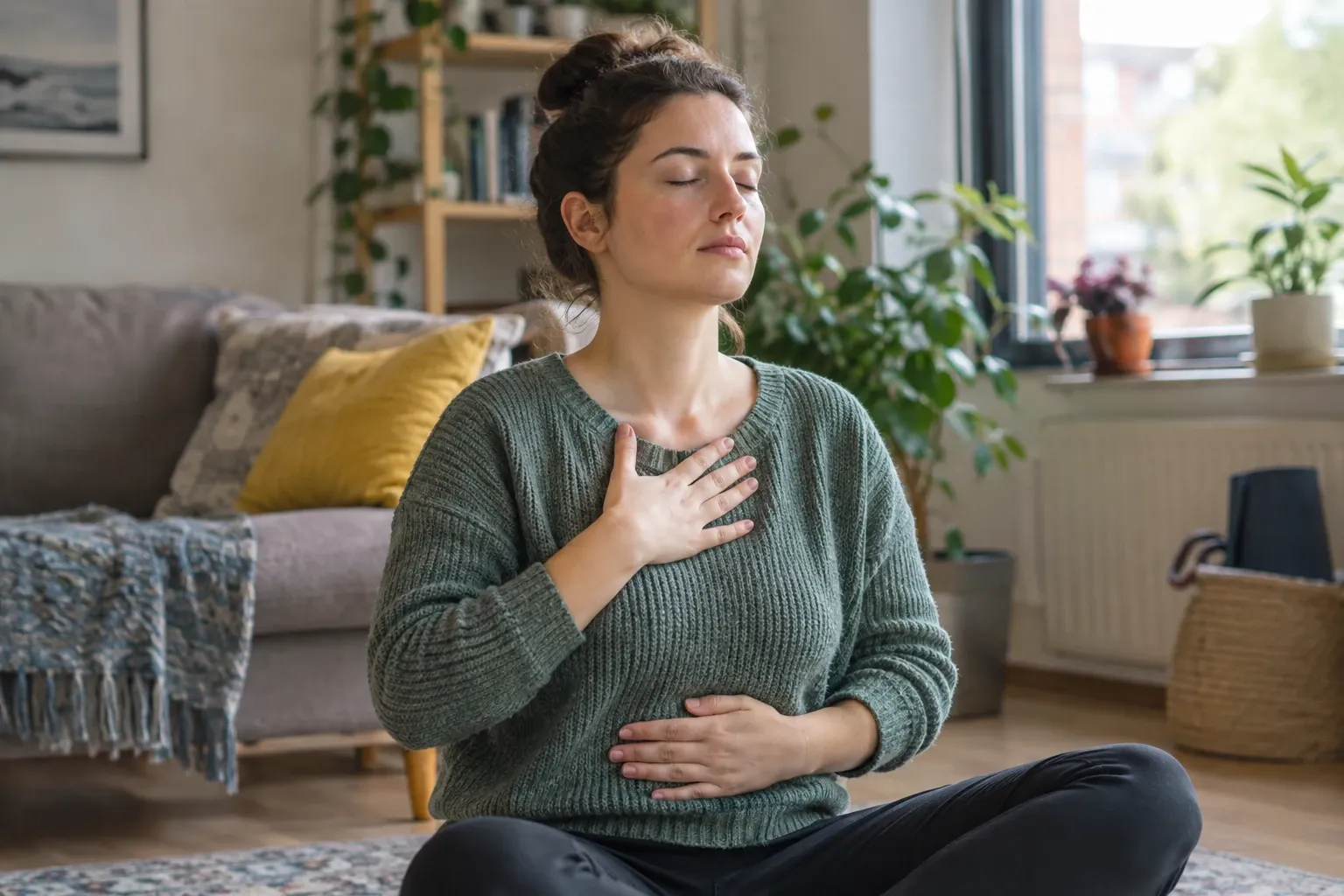
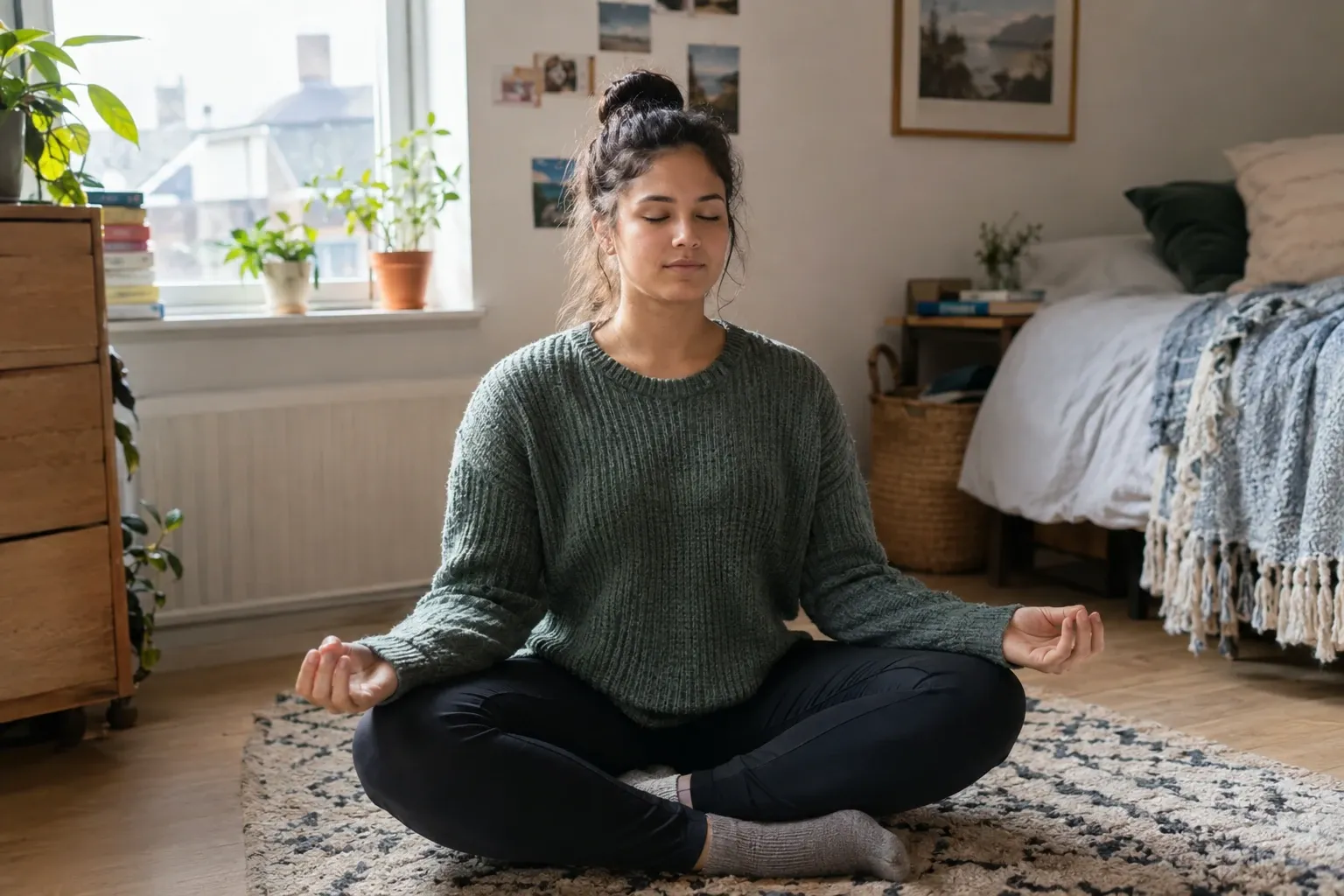
Choose an option that matches what you need in the moment. If your thoughts are racing, try a gentle breathing exercise or mindfulness practice. You can explore breathing exercises for a stressful moment or starting a mindfulness practice; keep it brief and stop if it makes you feel worse.
If you are caught in a loop of worries, writing them down may help you decide whether there is an action you can take, or whether the concern is beyond your control for now. The NHS also suggests activity, hobbies and relaxation techniques as possible ways to unwind, so a walk or a quiet activity may suit you better than sitting still.
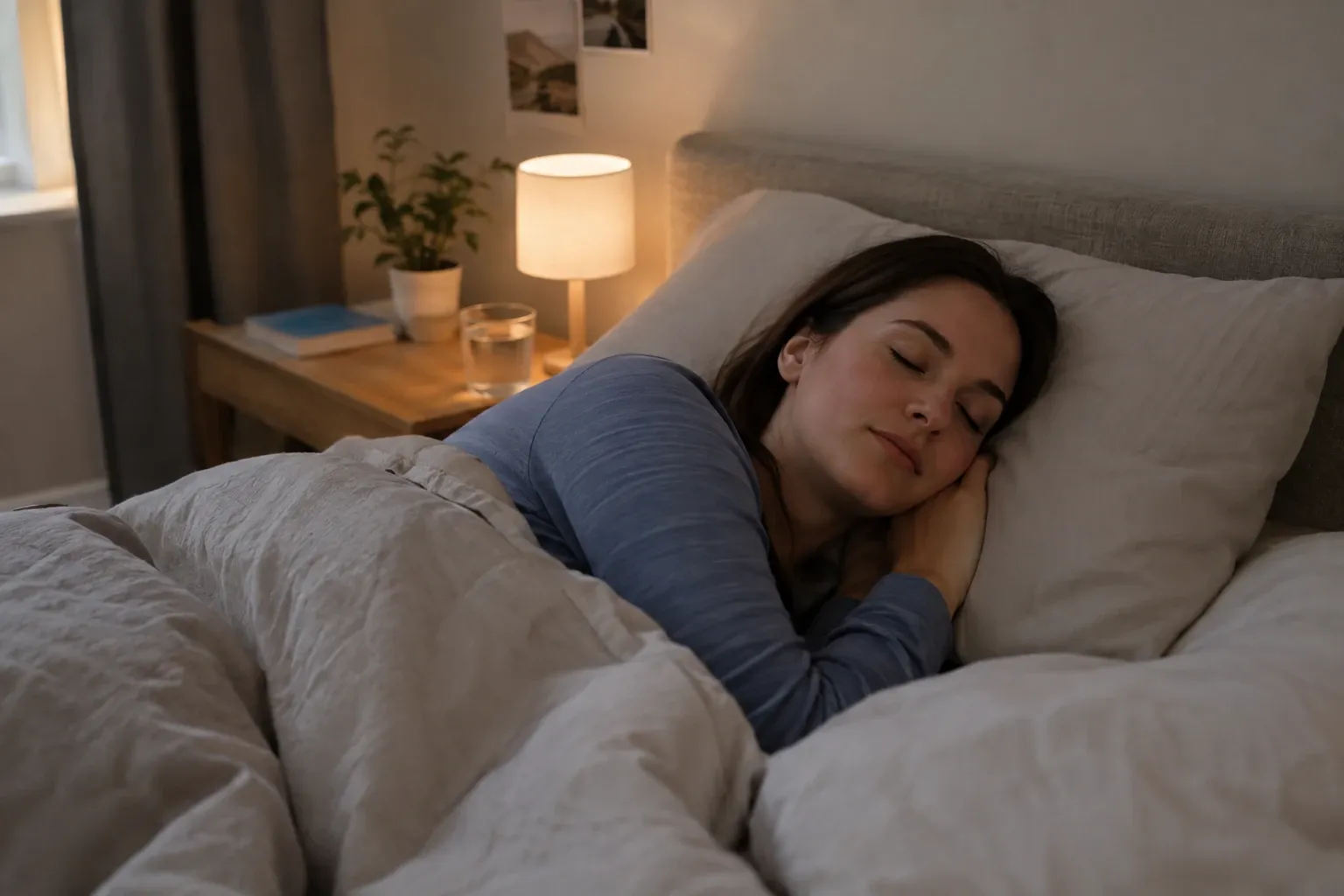
Sleep and stress can affect each other. If your mind is busy at bedtime, try a wind-down routine and look at ways to make falling asleep easier. If you are unsure whether your sleep pattern is adequate, use adult sleep needs as a starting point rather than treating one number as a target that guarantees good rest. Magnesium is sometimes discussed for sleep, but do not assume a supplement will resolve stress; see what to know about magnesium and sleep before considering it.
How can you fit a small change into your day?
Make the first step specific and easy to repeat. For example, you could take a few slow breaths after work, write down one concern and a possible action, or set aside a little time for an activity that helps you unwind. If you are training, consider whether an easier session or rest would be more appropriate when you feel unusually tired or distracted. A routine should support you, not become another test to pass.
If you identify a practical problem, turn it into a small plan: decide what you will do, when you will do it and whether you need help from someone else. For a worry you cannot act on right now, note when you will revisit it. This approach is consistent with the NHS guidance to distinguish solvable problems from hypothetical worries and make a specific plan for the former. (nhs.uk)
How will you know whether it is helping?
Check in after trying a change for a little while. Has it made a stressful moment easier to handle? Is it realistic to keep doing? Does it fit around work, sleep and training? Keep the approaches that feel useful and change the ones that do not. The NHS notes that people differ in what works for them and recommends making helpful techniques part of a personal wellbeing routine. (nhs.uk)
Self-help is not a substitute for support when stress is having a significant effect on daily life. The NHS advises seeking help if you are struggling; you can speak to someone you trust or contact your GP. If you feel unable to cope or keep yourself safe, the NHS says to seek urgent support. (nhs.uk)
Frequently asked questions
When should I contact my GP about stress?
Consider speaking to your GP if stress is affecting everyday life, feels difficult to manage or is not easing. A GP can discuss what is happening and help you find suitable support, including talking therapies where appropriate. If you feel unable to keep yourself safe or need urgent help, use NHS urgent mental health support rather than waiting for a routine appointment.
Can exercise help when I feel stressed?
Movement is one option to try, but it does not need to be a hard workout. A walk, gentle cycle or easy session may feel more manageable than pushing through an intense plan when you are already overwhelmed. Notice how you feel afterwards, and adjust training if stress, fatigue or poor sleep is making your usual sessions harder.
Should I try several stress techniques at once?
It is often easier to test one small change at a time, such as a short breathing pause or writing down worries before bed. That makes it easier to tell what fits your routine and whether it seems useful. If a technique feels uncomfortable or adds pressure, stop and try a different approach; there is no single method that suits everyone.