A calmer evening can make sleep come more easily
When you are tired but still wide awake, trying harder to sleep can add pressure. A few steady changes to your evening and daytime habits may help you settle, though no technique guarantees instant sleep.
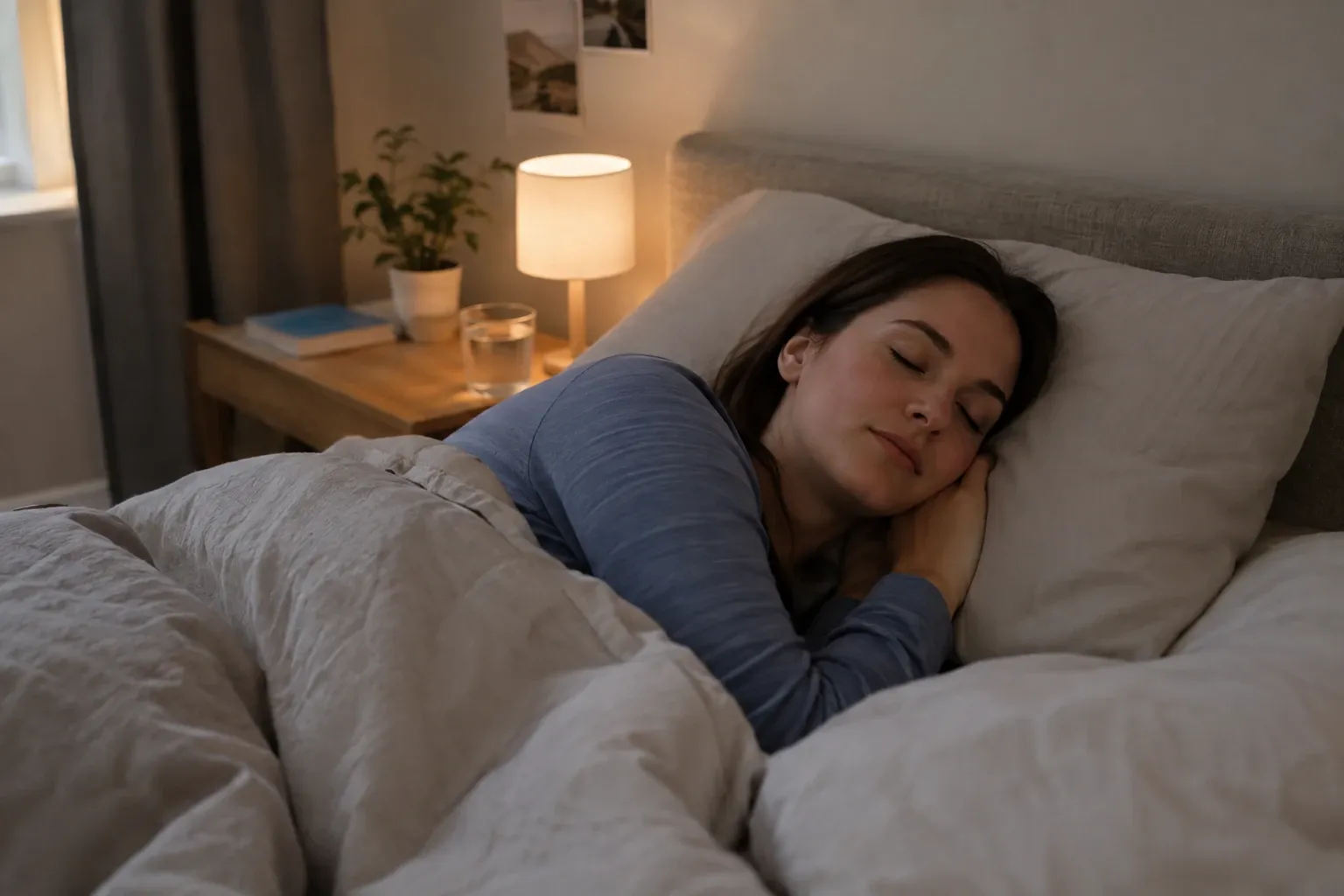
If a busy day, late training session or tomorrow’s to-do list is keeping your mind switched on, focus on making sleep more likely rather than chasing a quick fix. Start with the factors you can adjust: when you have caffeine, how you wind down, the light and comfort in your room, and what you do if you remain awake. Notice which changes help over several nights, and seek support if poor sleep persists or affects daily life.
What can you change first to make sleep easier?
Aim for a routine you can repeat, not a perfect bedtime ritual. Go to bed when you feel sleepy and get up at roughly the same time each day. The NHS advises keeping a regular wake-up time and making the bedroom comfortable, dark, quiet and cool. If sleep and stress are affecting your training or day-to-day wellbeing, build recovery habits into the wider picture with better sleep and stress habits.
Caffeine is worth checking early because it can keep you alert. Tea, coffee, energy drinks and some soft drinks contain it; the NHS says its effects can last up to seven hours, so try moving your last caffeinated drink earlier if you struggle to sleep. There is no single cut-off that works for everyone, so test a change consistently rather than treating one time as a universal rule. The NHS also notes that alcohol may make you feel sleepy at first but can leave sleep less deep. (NHS advice on caffeine and tiredness; NHS tips for falling asleep faster.)
Which wind-down techniques are worth trying?
Choose a quiet activity that helps you switch out of the day: reading, a warm bath or shower, gentle stretching, or writing down tomorrow’s tasks. Keep the routine simple enough to repeat, and dim lights as bedtime approaches. The NHS suggests a calm bedtime routine and a bedroom that is comfortable for sleep; if your phone keeps drawing your attention, put it away or silence notifications.
A breathing exercise can help shift your attention from racing thoughts to a steady, repetitive task. The NHS describes a 4-7-8 pattern: breathe in through your nose for four seconds, hold for seven, then breathe out through your mouth for eight, repeating four times. Treat it as an optional relaxation exercise, not a sleep switch. Stop or return to normal breathing if holding your breath feels uncomfortable. (NHS guidance on meditation and sleep.)
What should you do if you are still awake?
Try not to watch the clock or force sleep. If you have been lying awake and feel frustrated, get up and do something quiet in low light, such as reading or listening to calm audio. Return to bed when you feel sleepy. The NHS recommends this approach rather than struggling to sleep in bed. A dim, quiet setting helps keep the activity restful; avoid turning the break into work, scrolling or bright-screen entertainment.
How can you tell whether the changes are helping?
For a week or two, note roughly when you had your last caffeine, your wind-down routine, when you went to bed and how rested you felt the next day. Look for patterns rather than judging a technique after one night. If an evening workout seems to leave you alert, experiment with moving hard sessions earlier while keeping regular activity in your week. You can also read about breathing exercises for anxiety and stress if tension is part of what keeps you awake.
When should you speak to a GP about sleep?
Contact your GP if changing your sleep habits has not helped, you have had trouble sleeping for months, or the problem is making everyday life hard to cope with. The NHS notes that a GP can look for possible causes and may offer cognitive behavioural therapy (CBT), which helps change thoughts and behaviours that keep sleep problems going. Mention loud snoring or interrupted breathing, medicines that may affect sleep, or significant daytime sleepiness as well. (NHS guidance on insomnia and when to get help.)