Meal prep ideas to make training-week meals easier
When work, training and everyday life compete for your time, deciding what to eat can become another chore. A small amount of preparation can make meals easier to assemble while keeping the plan flexible and safe.
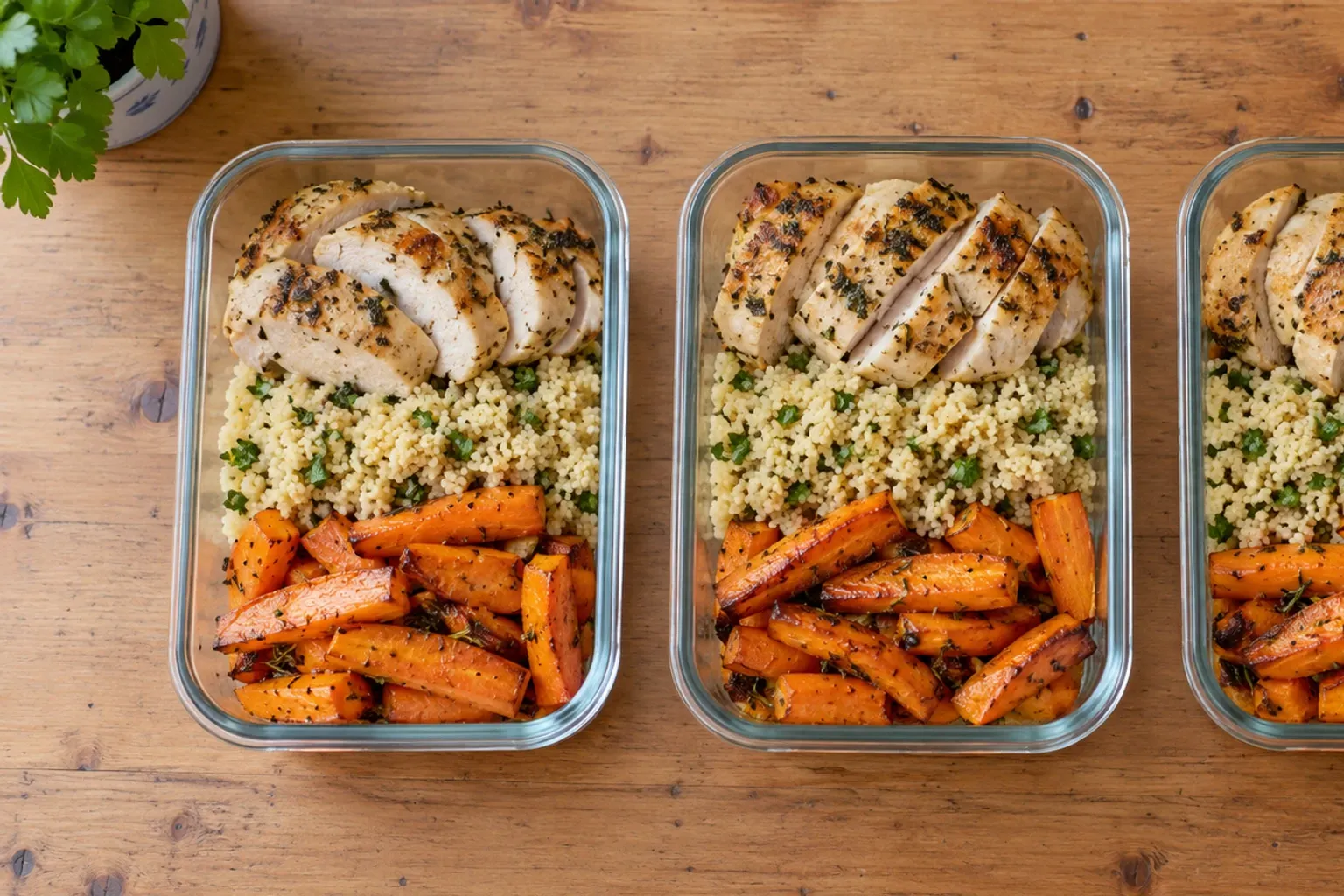
Meal prep does not have to mean cooking every meal for the week in one sitting or eating identical portions from Monday to Friday. You can prepare a few useful ingredients, then combine them in different ways to suit your schedule, appetite and training sessions. The key is choosing food you will actually want to eat and storing it properly.
What makes meal prep useful when you are training?
A run or strength session is only one part of a busy day. If you finish work hungry and have no plan for dinner, convenience can take over; equally, preparing elaborate meals for every day can make the whole idea feel like a second job. Useful meal prep reduces decisions at the moments when you have the least time or energy.
Start with the meals that regularly catch you out. That might be breakfast before an early run, lunch between meetings, or dinner after an evening workout. You do not need to plan every bite. A prepared base, a ready-to-eat component or a reliable freezer meal can be enough to make the next choice easier.
Think of preparation as a set of options rather than a strict schedule. If a session moves or your appetite changes, ingredients that can be combined in more than one way are easier to use than a row of identical meals. For broader everyday eating choices, the nutrition basics for training page gives the wider context without requiring you to manage every meal as a special case.
Which ingredients make a flexible starting point?
Build meals from components you like and can use in several combinations. A practical starting set is a starchy food, a protein food, vegetables or fruit, and a flavouring such as herbs, spices, citrus, yoghurt or a sauce. The NHS Eatwell Guide describes balance across a day or even a week, rather than requiring every plate to be perfect, and includes starchy foods, fruit and vegetables, protein foods and dairy or alternatives among its groups. Its guidance also says fruit and vegetables and starchy foods should each make up just over a third of what we eat overall. Use that as broad context, not a compulsory formula for every meal.
For example, cook potatoes or brown rice, roast a tray of vegetables, and prepare a protein option such as eggs, chicken, tofu, lentils or beans. Mix and match them as a warm bowl, a filled wrap, a salad or a quick dinner. Choose ingredients that fit your preferences, budget and any dietary needs; a meat-free base can work just as well as one containing meat.
For a little more variety without cooking another full dish, change the seasoning or add a different topping. Lemon and herbs can take one batch in a fresh direction, while curry spices or a tomato-based sauce can make the same vegetables feel different. Keep sauces and delicate salad leaves separate until serving if you prefer them that way.
The NHS Eatwell Guide recommends at least five portions of varied fruit and vegetables a day, and says fresh, frozen, tinned and dried options can all count. That gives you plenty of practical choices: frozen peas, tinned tomatoes, chopped carrots, apples or a handful of berries can all be part of your plan. It also suggests choosing higher-fibre or wholegrain starchy foods where possible, such as wholewheat pasta or brown rice. See the NHS Eatwell Guide for the wider food-group guidance.
Should you batch-cook meals or prepare separate components?
Batch-cooking complete meals is convenient when your week is predictable. A pot of chilli with beans, a vegetable curry or a pasta sauce can be portioned for later lunches or dinners. It is especially useful when you know you will want a meal quickly and will be happy eating the same dish again.
Preparing separate components offers more choice. Cook a base such as potatoes, rice or pasta, prepare one or two protein options, and keep vegetables and toppings ready to combine. This approach can be a better fit if your training schedule changes or you prefer variety. A mix of both methods often works: make one complete dish for the freezer and prepare a few ingredients for meals you will assemble fresh.
Use your own appetite and routine to decide how much to portion. Containers are a way to make food convenient, not a reason to ignore hunger or force yourself to eat a predetermined amount. If you want dinner ideas that put a protein food at the centre, try these high-protein dinners for training. Protein powder is not a necessary part of meal prep; ordinary foods can provide protein, and individual needs differ.
How can you make a simple preparation session work?
Before shopping, check what you already have and decide which meals would benefit most from preparation. Pick a small number of ingredients that can be reused, then choose a couple of ways to serve them. For instance, roasted vegetables might go into a grain bowl one day and a wrap another day; beans can be added to a salad, soup or chilli.
During cooking, work in a useful order: put longer-cooking items on first, prepare vegetables while they cook, and portion ingredients once they are ready. Keep raw meat separate from cooked or ready-to-eat food, and clean hands, worktops and utensils after they have touched raw ingredients. If you cook a large batch, use shallow or smaller containers so it cools more quickly.
Food safety matters as much as choosing the menu. The Food Standards Agency advises keeping a fridge between 0°C and 5°C, cooling cooked food and putting it in the fridge within one to two hours, and eating leftovers within 48 hours or freezing them. Divide food into smaller portions to help it cool, and label frozen containers with the contents and date so you can identify them later. Its guidance on chilling, freezing and defrosting food also advises defrosting food in the fridge and following any instructions on the packaging.
How do you know whether the plan is working?
Check the plan against your actual week, not an idealised timetable. At the end of a few days, notice which meals were easy to reach for, which ingredients were left unused and whether portions or flavours suited you. If you repeatedly abandon a dish, prepare less of it or change the seasoning. If an ingredient works well in several meals, it may deserve a regular place on your shopping list.
A useful plan should make food easier, not create pressure to follow a perfect menu. Keep a few quick alternatives available for days when plans change, such as eggs on toast, yoghurt with fruit and oats, or a tin of beans added to vegetables and a grain. The NHS Eatwell Guide notes that the balance of food groups can be considered over a day or week, so one meal does not need to carry the whole burden of a balanced diet.
You can also check how well your prepared meals support the rest of your routine. Are there convenient options for before or after training? Is there enough variety that you still want to eat them? Do you have a safe plan for food you will not use within 48 hours, such as freezing it? Adjust the next preparation session based on the answers, rather than cooking more simply because batch cooking is supposed to save time.
Meal prep is most sustainable when it is modest and repeatable. Prepare the parts that remove friction, leave room for fresh choices, and keep food storage within the safety guidance. A few flexible ingredients can make a busy training week easier to navigate without turning every meal into a project.
Frequently asked questions
How many days of meals should I prepare at once?
Choose a span that fits your week and the food you are preparing. For cooked leftovers, the Food Standards Agency advises eating them within 48 hours or freezing them, so a large batch intended to last longer should be frozen in portions rather than kept in the fridge all week. You can also prepare components for later meals without cooking everything in advance.
Can I meal prep if I do not have much fridge space?
Yes. Prepare fewer complete meals and focus on compact ingredients such as oats, tins of beans, frozen vegetables and sealed portions of cooked food. Leave space for chilled items, use small containers that stack, and freeze portions you will not eat within the recommended time. Check that your fridge is cold enough rather than packing it so tightly that air cannot circulate.
Should I prepare a different meal for training days?
Not necessarily. You can use the same basic ingredients and adjust the timing or portion to match your routine and appetite. For example, prepare a grain, a protein food and vegetables, then add a snack or another serving when it suits you. Your needs vary with the session and the person, so a fixed menu or calorie target is not right for everyone.
Is meal prep still useful if I only prepare ingredients?
Yes. Washing and chopping vegetables, cooking a pot of grains, portioning snacks or making a dressing can remove steps from a busy evening without locking you into a particular meal. Keep perishable ingredients refrigerated, store components separately when that helps them keep their texture, and combine them when you are ready to eat.