Walking for weight loss: build a routine you can keep
If you want to lose weight but running or the gym feels like too much to start with, walking can be a manageable way to become more active. A consistent routine can support your health, but weight loss is not guaranteed by walking alone.
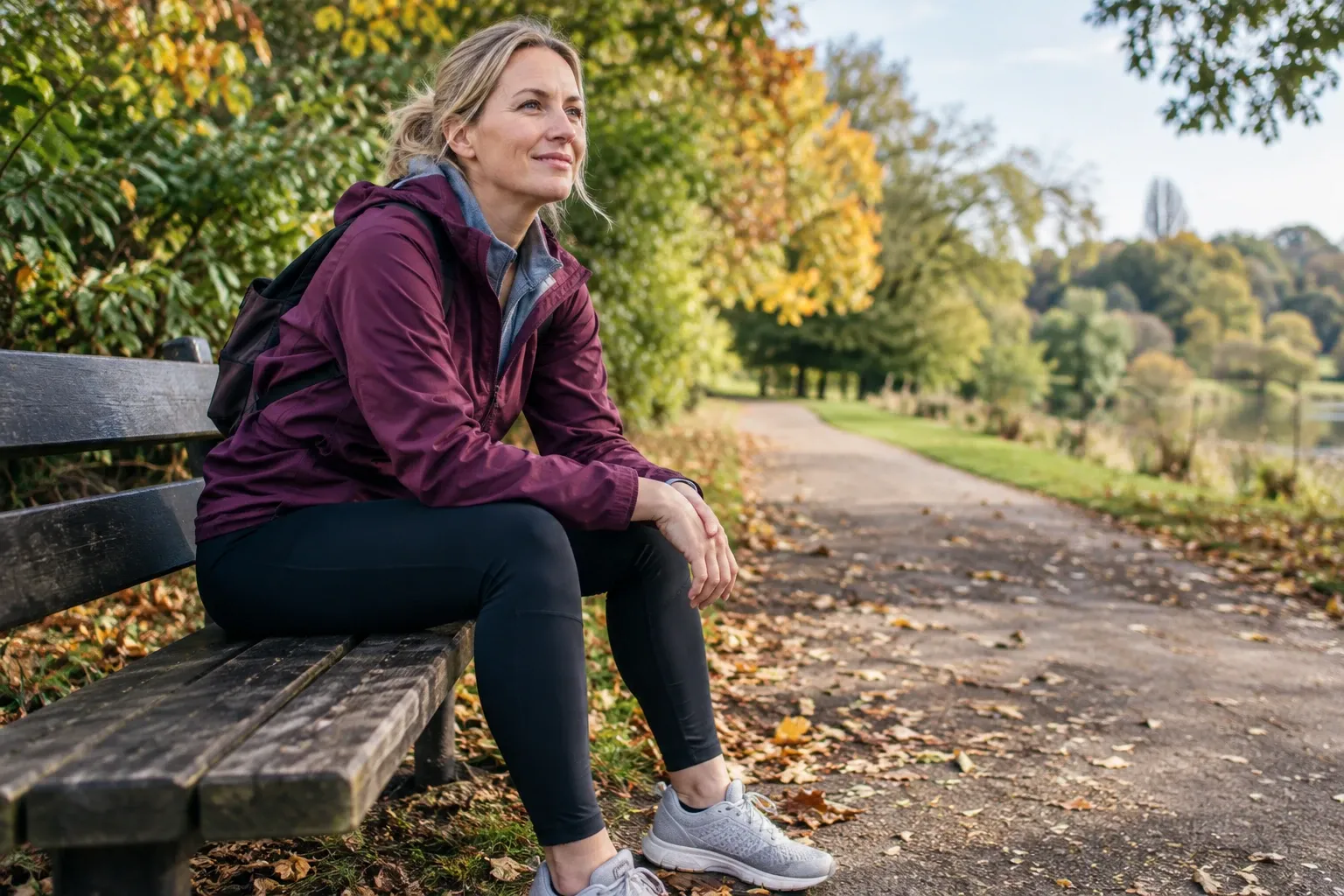
You do not need a special route, a fitness tracker or long sessions to begin walking more. Start with the time and pace you can manage, then build a routine around your week. The useful measures are whether your walks feel brisk enough, whether you can repeat them comfortably and whether your habits are moving in a direction you can sustain. Here is how to choose a starting point, compare walking options and review what is changing without treating a particular number of steps as a requirement.
Can walking help with weight loss?
Walking uses energy and can help you become more active, but it does not guarantee weight loss on its own. Changes in body weight also depend on what you eat and drink, your usual activity and other individual factors. The NHS says that being active may not help you lose weight by itself, while still being important for health. Think of walking as one useful part of a broader routine, not a way to cancel out meals or promise a particular result.
You can start without turning every walk into a workout. The NHS walking guidance describes a brisk 10-minute daily walk as beneficial and says it counts towards the weekly activity recommendation. Its general weight-management advice also suggests making changes one at a time rather than trying to do everything at once. If you want to add other forms of movement, choose an activity you can keep doing rather than relying on the option that sounds hardest.
What pace and weekly amount should you aim for?
A brisk walk is faster than a stroll, but it does not have to mean walking as fast as possible. The NHS gives about 3 miles per hour as a guide and offers a simple talk test: you should be able to talk, but not sing the words to a song. Use how you feel as your main check; pace varies with hills, weather, fitness and the surface underfoot.
For adults aged 19 to 64, the NHS presents 150 minutes of moderate-intensity activity a week as the general target. That is a public-health guideline, not a personal prescription for weight loss, and you do not have to reach it immediately. The UK Chief Medical Officers’ guidance also recommends muscle-strengthening activity on at least 2 days a week. Walking can contribute to aerobic activity, while strength work is a separate part of a balanced routine.
If you are currently inactive, any manageable increase can be a reasonable first step. You might begin with several short walks across the week, then add time or pace when the routine feels comfortable. Do not treat 10,000 steps as a necessary threshold: the guidance cited here is based on activity and intensity, not a mandatory daily step count.
Which walking routine fits your week?
A regular brisk walk, a longer easy walk and short walking breaks all have different practical advantages. A brisk session makes it easier to notice moderate effort; an easier walk may suit recovery or a busy day; and short breaks can help you fit movement around work or caring responsibilities. You can mix them rather than choosing one format forever.
For example, if you are starting from little regular activity, you could try a comfortable 10-minute walk on a few days, then gradually add a few minutes to one or more outings. Once that feels repeatable, you might make some of those walks brisk enough for the talk test. This is an illustrative progression, not a medical rule or a guaranteed weight-loss plan. If brisk walking feels uncomfortable, slow down and build at a pace that suits you.
The NHS recommends increasing distance gradually if you are not very active. Comfortable, supportive shoes are a sensible starting point; for longer walks, you may also want water and weather-appropriate clothing. Routes do not need to be scenic or complicated: a local loop, part of a commute or a walk with a friend can all make the habit easier to repeat.
If your broader goal is to run a first event, walking can be a useful way to get used to regular movement, but it is not a substitute for a gradual running plan. The fitness route from a first 5K to a half marathon covers that wider progression. If you already walk comfortably and want a running goal, building from a comfortable 5K towards 10K is a different next step from simply increasing your walking time.
How can you make the routine sustainable?
Choose a repeatable cue: walk after lunch, get off the bus a stop earlier, or set aside a regular slot with someone else. Keep the first version small enough to fit a normal week, including weeks when motivation is low. A missed session does not require a punishing catch-up walk; return to the routine at your next convenient opportunity.
You can add variety with different routes, gentle hills or a mix of relaxed and brisk sections. Change one element at a time, such as adding a little duration before making the route steeper. If you develop persistent pain, feel unwell or have a health condition that affects exercise, pause and seek appropriate advice rather than pushing through. If you need individual guidance about weight or activity, a GP or other healthcare professional can help you consider your circumstances.
Walking works best as part of everyday habits you can maintain. The NHS weight-management advice includes a range of changes around food and drink as well as activity; it does not require a single perfect approach. Avoid responding to a slower-than-expected change on the scales by abruptly adding lots of exercise or severely restricting food.
How should you check whether it is working?
Review the routine itself as well as the scales. For a few weeks, note how often you walked, roughly how long you went for and whether some sessions felt brisk. You could also notice practical changes such as finding the same route easier, having more energy for daily tasks or being more consistent. These are useful observations, but they do not prove that body fat has changed.
If you choose to weigh yourself, use the same general conditions each time and look at the pattern rather than reacting to one reading. Body weight can fluctuate, and a change over a short period does not by itself show whether your routine is sustainable. The NHS weight-management guidance gives 1 to 2 pounds (0.5 to 1 kilogram) a week as a general weight-loss aim, but that is not a promise or a target everyone should pursue. Your health, starting point and personal circumstances matter.
If the routine is too demanding to repeat, reduce the duration or pace. If it feels manageable but your weight is not changing, walking more is not the only possible adjustment: food and drink habits also matter, and support from a healthcare professional may be useful. The aim is a repeatable pattern of activity that supports your health, not a perfect week or a guaranteed number on the scales.
Frequently asked questions
Do I need to walk 10,000 steps a day to lose weight?
No. The NHS guidance cited here describes brisk walking and weekly activity time; it does not set 10,000 steps as a requirement. A step counter can help you notice your own patterns if you find it useful, but you can build a routine without one. Start from your usual activity and increase gradually rather than treating a daily step total as a pass-or-fail test.
Is a slow walk still worth doing?
Yes. A comfortable walk can help you add movement to your day, even if it does not feel brisk enough to count as moderate-intensity activity. As your confidence or fitness improves, you can make some walks a little faster if that feels comfortable. The most useful starting pace is one you can manage regularly, rather than one that leaves you struggling to continue.
Should I walk every day to lose weight?
You do not have to begin with daily walks. Spread activity across the week in a way that fits your schedule and current fitness, then build up if you can do so comfortably. The NHS gives a brisk 10-minute daily walk as one example of activity, not a personal prescription. A consistent routine that you can sustain is more practical than an ambitious schedule you quickly abandon.
Can walking alone make me lose weight?
It may contribute to weight loss, but it is not guaranteed to do so by itself. Weight change is affected by overall eating and drinking habits, activity and individual circumstances. Walking is still worthwhile for health and fitness even if the scales do not change. If weight management is your goal, consider your overall habits and seek individual advice if you have a health condition or need tailored support.