High protein dinners that fit around your training
After work or a training session, dinner needs to be satisfying without turning into a nutrition project. These high protein dinner ideas give you straightforward recipes, approximate protein figures and practical ways to adapt each meal.
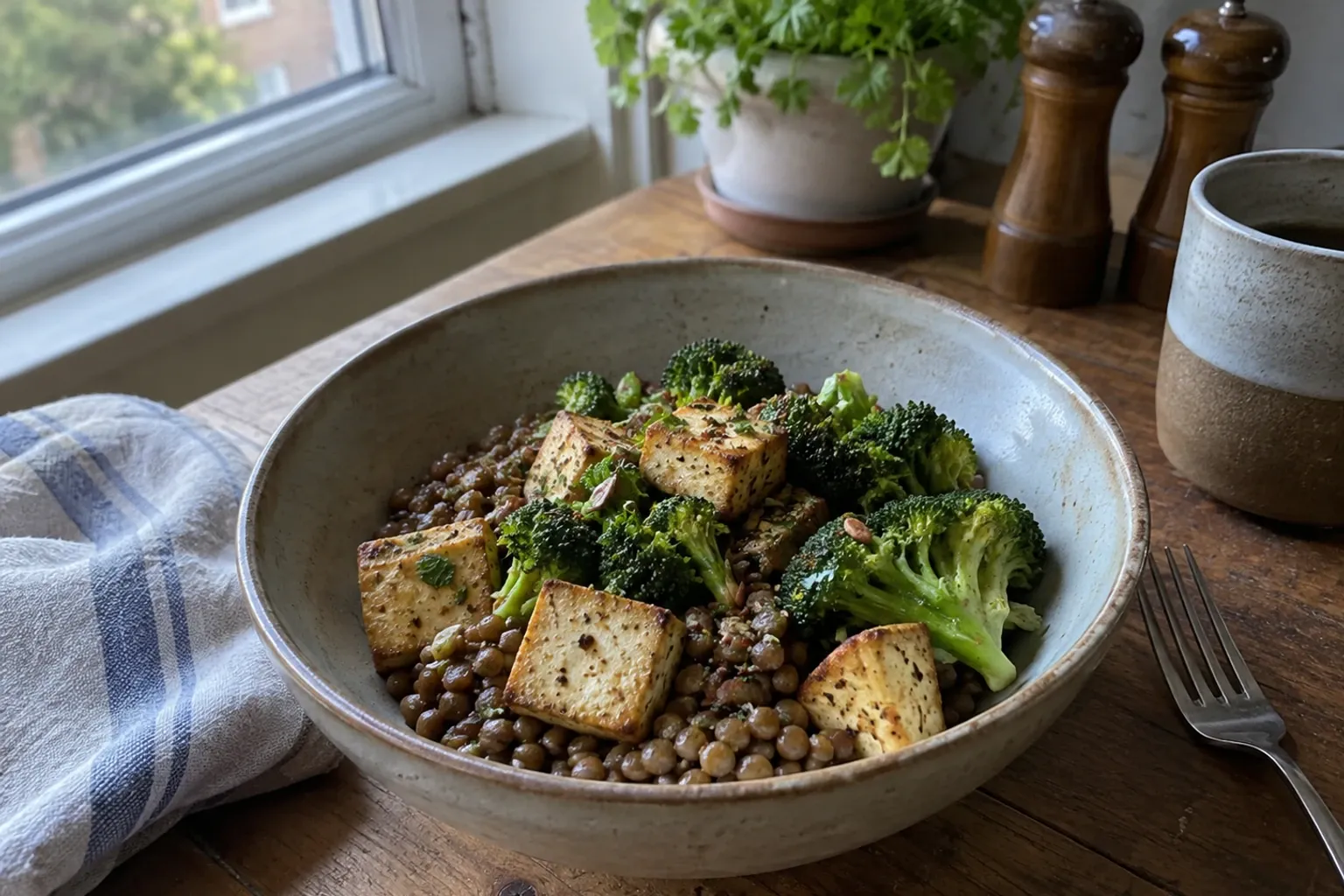
If you are building up to a 10k, working on strength or simply trying to eat well, it can be tempting to think dinner needs a special product or a complicated recipe. Usually, a familiar protein food, a filling carbohydrate and some vegetables make a more useful starting point. The meals below use everyday ingredients and show how the protein estimates were worked out, so you can swap ingredients without treating the numbers as exact.
What makes a dinner high in protein and still balanced?
A useful dinner is more than its protein number. Pair a protein-rich food with potatoes, rice, pasta, bread or another starchy carbohydrate, and include vegetables or salad. Carbohydrates can be especially welcome after a run or strength session, while vegetables add variety and fibre. The NHS Eatwell Guide says the balance is considered across a day or week, rather than needing to be perfect at every meal. It includes beans, pulses, fish, eggs, meat and other protein foods, alongside starchy foods and fruit and vegetables. For everyday eating, that is a more flexible starting point than trying to make every plate follow a strict formula.
The NHS Eatwell Guide also describes pulses as alternatives to meat that provide protein and fibre, and advises choosing lean cuts and eating less red and processed meat. If you are working out how dinner fits into your wider routine, everyday food for training and recovery is part of the same picture.
How are the protein estimates worked out?
Each estimate below is approximate and calculated from the listed portion of the main protein ingredients. For consistency, the figures use the British Nutrition Foundation’s published protein values per 100g: for example, grilled skinless chicken breast has 32g, grilled salmon 24.6g, boiled red lentils 7.6g and steamed tofu 8.1g per 100g. The calculation is portion weight multiplied by the relevant per-100g value, then divided by 100. Values for other ingredients are included only where stated, so the real total can be a little higher; brands, draining and cooking methods can change the result. Check your own packaging for a closer estimate.
Those reference values come from the British Nutrition Foundation’s protein table. Think of these numbers as recipe-planning estimates, not a personal daily target. If you want a simple way to spread protein-rich foods across the day, you could also plan a filling breakfast from familiar foods.
Which high protein dinners are easy to make?
Lemon chicken, wholewheat pasta and greens
For one serving, use 150g cooked grilled skinless chicken breast, 75g dry wholewheat pasta, a generous handful of spinach, 100g cherry tomatoes, lemon juice and a spoonful of plain Greek-style yoghurt. Cook the pasta according to its packet. Warm the tomatoes and spinach in a pan with a splash of pasta water; stir through lemon and yoghurt off the heat, then add sliced chicken. Using the BNF value of 32g protein per 100g, the chicken contributes about 48g. The pasta and sauce add some more, but this estimate counts the chicken only. Reduce the chicken portion or add chickpeas if you want a different balance.
Salmon, potatoes and yoghurt-dill sauce
Take one 130g grilled salmon fillet, 250g potatoes, 100g peas and 40g plain Greek-style yoghurt. Boil or roast the potatoes, cook the peas, and grill or bake the salmon until cooked through. Mix the yoghurt with chopped dill, lemon and black pepper for a quick sauce. At 24.6g protein per 100g, the salmon portion contributes about 32g. Potatoes, peas and yoghurt also contribute protein, but they are not included in that conservative estimate. The NHS Eatwell Guide recommends at least two portions of fish a week, one of which should be oily fish such as salmon.
Lentil and tomato curry with yoghurt
For a filling meat-free option, use 250g cooked red lentils, 150g chopped tomatoes, half an onion, curry spices, 75g cooked brown rice and 100g plain Greek-style yoghurt. Soften the onion, add spices and tomatoes, then stir in the lentils and simmer until hot. Serve with rice and yoghurt. The lentils contribute about 19g protein, calculated from 250g at 7.6g per 100g; the yoghurt adds about 5.7g using the BNF value of 5.7g per 100g. That makes approximately 25g from those two ingredients, before counting rice or vegetables.
Tofu and kidney bean traybake
Use 200g steamed tofu, 100g canned kidney beans, one pepper, one courgette, 150g cooked potatoes, smoked paprika and a little oil. Cube and roast the vegetables and potatoes until tender; add the drained beans and tofu near the end to warm through. Season with paprika, pepper and lemon. At the BNF values of 8.1g per 100g for tofu and 6.9g for canned kidney beans, the tofu and beans provide about 23g protein together. Choose a tofu you enjoy and check its label: product values vary. Add more beans or serve with a yoghurt-based dressing if you want to increase the estimate.
Cottage cheese and spinach frittata
Whisk three eggs with 100g cottage cheese, a handful of spinach and black pepper. Pour into an oven-safe pan, cook gently until the base is set, then finish under a grill until the centre is cooked. Serve with wholemeal toast and tomatoes. For an estimate, assume three eggs provide 150g edible weight in total: at 14.1g protein per 100g, they contribute about 21g. The BNF lists cottage cheese at 9.4g per 100g, so the 100g portion adds about 9g. Together, those ingredients provide roughly 30g, before counting the toast or vegetables.
Tuna jacket potato with crunchy salad
Use one medium baked potato, 120g canned tuna drained, 50g plain Greek-style yoghurt, sweetcorn, cucumber and lettuce. Split the cooked potato, mix the tuna with yoghurt and sweetcorn, spoon it over the potato and serve with salad. The tuna contributes about 30g protein, calculated from the BNF value of 24.9g per 100g; the yoghurt adds about 3g. This gives around 33g from tuna and yoghurt alone. If you prefer, swap some tuna for beans and add lemon or mustard for flavour.
How can you choose and adapt a recipe?
Start with what you have time and appetite for. Chicken, fish and eggs cook quickly; lentils and canned beans are convenient cupboard options; tofu works well when you want a meat-free meal. Then choose a carbohydrate that suits the day: rice or pasta for a quick bowl, potatoes for a traybake, or bread alongside a frittata. Frozen vegetables are an easy alternative to fresh, and you can adjust the seasoning with herbs, spices, citrus or a small amount of sauce.
The six estimates are not a ranking of the meals or a claim that everyone needs the highest number. A meal can be satisfying with a more modest protein figure, especially when it sits within a varied day’s eating. If you are deciding whether a supplement or snack is useful, protein powder and what to check and protein-rich snacks for busy days cover those separate choices.
How can you put the dinners into practice and check the result?
Choose two or three recipes for the week rather than planning every dinner in detail. Buy ingredients that can cross over between meals, such as yoghurt, spinach, tomatoes and potatoes. If you cook extra, separate leftovers into smaller portions so they cool faster. The Food Standards Agency advises putting cooked food in the fridge within one to two hours, keeping the fridge at 5°C or below, and using leftovers within 48 hours or freezing them if you will not eat them in time. Reheat leftovers until steaming hot throughout and only reheat once, as set out in its guidance on chilling food.
After a few dinners, check what actually worked: did the meal keep you satisfied, fit your schedule and provide enough energy for the rest of the evening? If not, adjust the carbohydrate portion, add vegetables, change the protein source or make a larger batch. Use food labels when you want a closer protein estimate, and treat the figures here as practical comparisons rather than exact laboratory measurements.
Frequently asked questions
How much protein should a high protein dinner contain?
There is no single dinner target that suits everyone. Your needs depend on factors such as your overall diet, body size, health and training. Use the estimates here to compare meals, not as a prescription; if you have a medical condition or specific nutrition needs, ask a registered dietitian or your healthcare team for individual advice.
Do I need a protein shake after an evening workout?
Not necessarily. A dinner containing fish, eggs, meat, dairy, tofu or pulses can provide protein as part of an ordinary meal. The British Nutrition Foundation says people doing some physical activity are unlikely to need extra protein, while supplements may be convenient for people training at a high level. Consider your whole day's food before adding a supplement.
Can I make these dinners ahead?
Yes. Portion cooked food into containers so it cools more quickly, then refrigerate it promptly. The Food Standards Agency advises cooling cooked food and putting it in the fridge within one to two hours, keeping the fridge at 5°C or below, and eating leftovers within 48 hours or freezing them. Reheat leftovers until steaming hot throughout, and only reheat them once.
Are meat-free high protein dinners possible?
Yes. Tofu, lentils, chickpeas, kidney beans and other pulses can all contribute protein. Combine them with a grain or potato, vegetables and, if you eat dairy, yoghurt or cottage cheese. Check the protein figures on the products you buy because tofu, yoghurt and meat-free alternatives can differ substantially between brands.