Is protein powder useful for your training, and how do you choose?
If you are adding runs or strength sessions to a busy week, a shake may look like an easy way to support recovery. For most healthy adults, the first step is to check what you already eat; powder is a convenience, not a requirement.
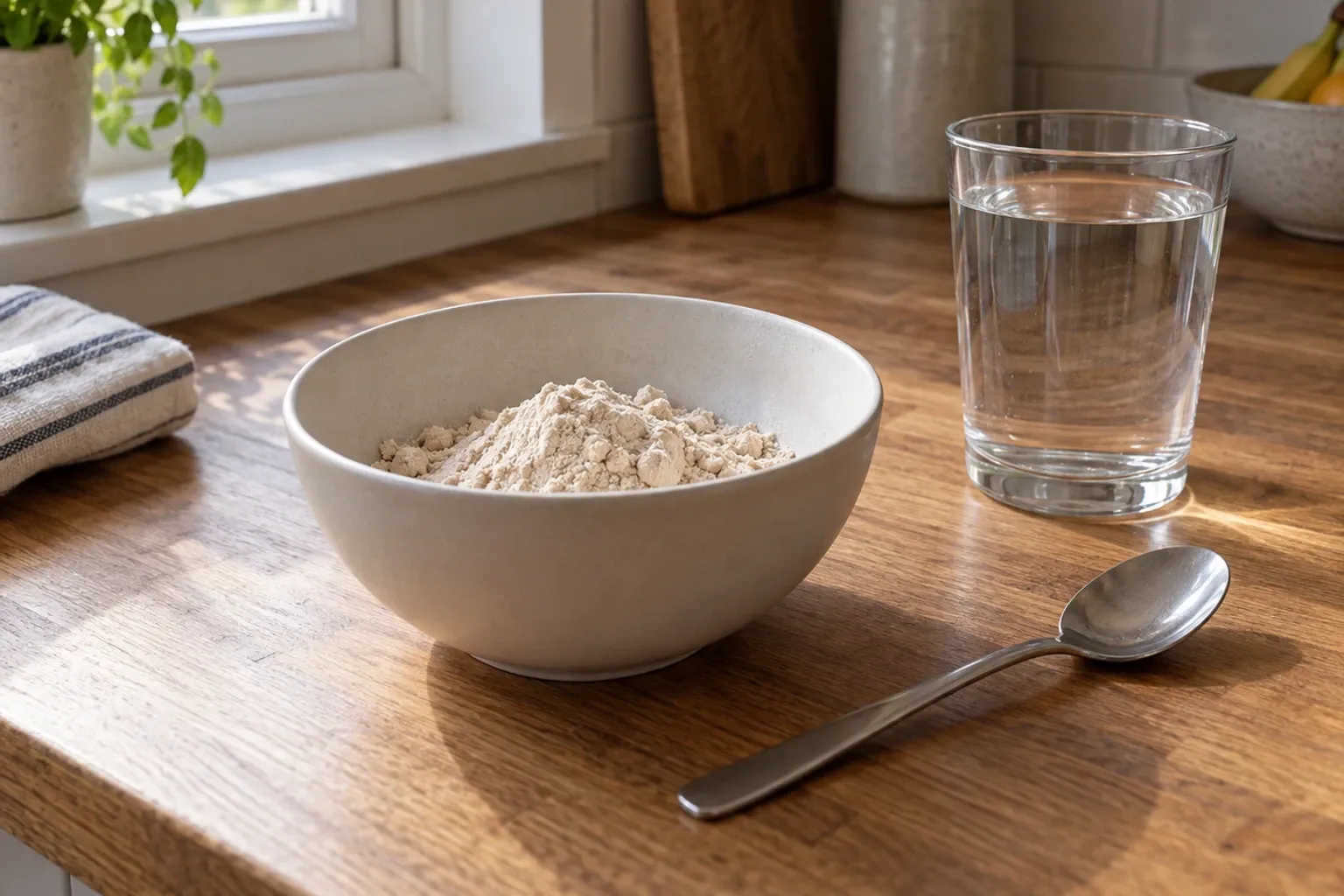
A new training plan can make protein feel like one more thing to optimise. You may be weighing up a tub of whey, a plant-based blend or simply adding another snack, while wondering whether the timing matters as much as the adverts suggest. For recreational runners and people building strength, the useful question is not which powder promises the most, but whether it solves a real gap in your routine.
Start with your normal meals and the demands of your training. Then, if a powder would genuinely make eating more practical, compare its protein per serving, ingredients, allergens and testing information. The points below help you make that choice without treating a shake as a replacement for everyday food or a well-fuelled training plan.
Is protein powder necessary for recreational training?
A powder is one way to add protein to your diet, but it is not a special category of fuel. A runner training for a first 10k may get enough from ordinary meals, while someone with a long commute, a small appetite after exercise or limited access to food might find a shake convenient. Convenience is a valid reason to consider one; a claim that it is essential is not.
The British Dietetic Association (BDA) says people taking part in strength and endurance sports may need more protein than people who do not exercise, but notes that a healthy, balanced diet will usually cover increased needs if energy intake is adequate. Its guidance gives approximately 0.75 g per kg of body weight per day for people who do not exercise and approximately 1.4–2.0 g/kg/day for athletes in strength and endurance sports. These are broad context figures, not an individual prescription for every recreational runner. The BDA also advises spreading protein intake through the day. You can read its sport and exercise nutrition guidance alongside your own training needs.
For example, the BDA lists several everyday portions that provide approximately 20 g of protein: a 100 g grilled fish fillet, a 150 g portion of low-fat cottage cheese, three medium eggs or a 400 g can of baked beans. That makes it easier to compare a powder with foods you already buy. If you are unsure how to set a suitable daily target, see how to build your training diet and consider asking a registered dietitian for individual advice.
What should you compare on the label?
Look at the nutrition panel for the amount of protein in the serving you would actually use, not just a large number featured on the front of the tub. Check the serving size in grams and whether the panel describes powder alone or a shake prepared with milk. A larger scoop may contain more protein simply because it contains more powder; compare like with like.
Next, read the ingredients and allergen information. Flavourings, sweeteners and added ingredients vary, so decide whether you want a plain product or a flavoured one and whether the ingredient list suits you. If you have a milk allergy, do not assume that a product is suitable because it is labelled “protein”; check the specific allergen declaration and seek professional advice if you are uncertain. If you follow a vegan diet, check that the source is plant-based and that the full ingredient list meets your requirements.
The price per tub is less informative than the price for the amount of protein you will use. You can compare the products’ serving sizes and labelled protein amounts, then consider whether you would otherwise buy a food snack or drink. A powder that sits unused is poor value whatever its headline protein content.
How do whey and plant-based powders differ?
Whey is a milk-derived protein. It may suit you if you eat dairy and want a powder that mixes into a drink or food, but it is not suitable for someone avoiding milk protein. Plant-based products use ingredients such as soya, pea or other plant proteins, sometimes in blends. Their exact composition differs by product, so check the label rather than assuming all plant powders have the same ingredients or protein content.
Neither category removes the need for a varied diet. Beans, pulses, tofu, eggs, dairy, fish, meat, nuts and seeds can all contribute protein in meals and snacks. The BDA also stresses that eating enough overall, including carbohydrate to support training, matters; focusing on protein while under-fuelling longer or harder sessions misses an important part of the picture. For practical food options you can pack or eat between sessions, try protein snacks for busy days.
How can you put a powder to use?
First, look at a normal day of eating rather than changing your routine around a product. Note where meals and snacks fall around work and training, and whether you regularly miss a meal or struggle to find something convenient after exercise. A shake can fill a practical gap, but it does not have to be taken at a precise minute after every session.
If you choose to buy one, follow the serving directions on its label and mix it in a way that fits your routine. You might have it with water or add it to a snack; the choice depends on taste and what else you are eating. Avoid treating multiple scoops as an automatic way to improve results. The NHS Norfolk sports supplements page says adults who choose a protein supplement should read the label and not exceed the recommended amount; it also emphasises a healthy, balanced diet. Its guidance is aimed at young people, so use it as general caution rather than personalised advice for adult training. See the NHS Norfolk information on sports supplements for its explanation.
If you compete in a sport with anti-doping rules, consider the additional risk of contamination. UK Anti-Doping (UKAD) explains that products can be contaminated during manufacturing and labels can be inaccurate. It says there is no guarantee a supplement is free from prohibited substances; athletes who choose to use one should check the actual batch number on a batch-tested product. UKAD and the World Anti-Doping Agency do not approve or endorse supplements. Read UKAD’s advice on managing supplement risks before deciding whether the convenience is worth that risk.
How will you know whether it is useful?
Give the choice a practical test: does it help you fit a snack or meal into your day, and do you tolerate and enjoy it? Check the label again when you restock, since products and serving sizes can differ. If the powder is replacing meals, encouraging you to ignore hunger or causing digestive problems, stop and reconsider whether another food option would suit you better.
Keep the training goal in view. A protein powder cannot replace progressive training, sufficient overall food, carbohydrate for running, sleep or recovery time. The BDA’s guidance treats supplements as potentially useful in certain situations, not as a fix for poor food choices. If you have kidney disease, another medical condition, a history of disordered eating, or a prescribed diet, ask your GP or a registered dietitian before making a supplement part of your routine. For a generally healthy adult recreational runner, the sensible order is simple: build meals around everyday foods, identify a genuine convenience gap, and use a powder only if it fills that gap.
Frequently asked questions
Do I need to drink a protein shake immediately after a run?
Not necessarily. The British Dietetic Association advises spreading protein intake across the day, and its general sports nutrition advice puts the wider meal pattern and training demands in context. If you are hungry after a run, a normal meal or snack containing protein and carbohydrate is a practical choice. A shake is an option when it suits your appetite or schedule, not a required post-run ritual.
Is whey protein better than plant protein?
Neither is automatically the best choice for everyone. Whey is made from milk, so it is unsuitable if you avoid dairy or have a milk allergy. Plant powders suit people who prefer or need a non-dairy option, but recipes differ between products. Compare the labelled protein per serving, ingredients, allergens, taste and cost, and choose one that fits your diet and that you will actually use.
Can protein powder replace a meal?
A basic protein powder is not a like-for-like replacement for a varied meal. A meal can provide carbohydrate, fibre and other nutrients alongside protein, while a powder’s contents depend on its ingredients. If you use one, treat it as a convenient addition to food rather than assuming a shake covers everything you need. If you have a clinical reason to use specialist nutrition products, seek advice from your healthcare team.
What should tested athletes check before using a protein powder?
UK Anti-Doping says no supplement can be guaranteed free of prohibited substances, because contamination or inaccurate labelling can occur. It advises athletes who choose to use supplements to assess the need and risk and to check the actual batch number of a batch-tested product. Certification is not a guarantee of safety or an endorsement by UKAD or WADA, so check the details rather than relying on a logo or marketing claim.