Meal replacement shakes and how to choose one for your routine
When training makes your week busy, a shake may seem like an easy meal. The useful choice depends on whether it is designed to replace a meal or simply add protein, and how it fits alongside the food you need for training and recovery.
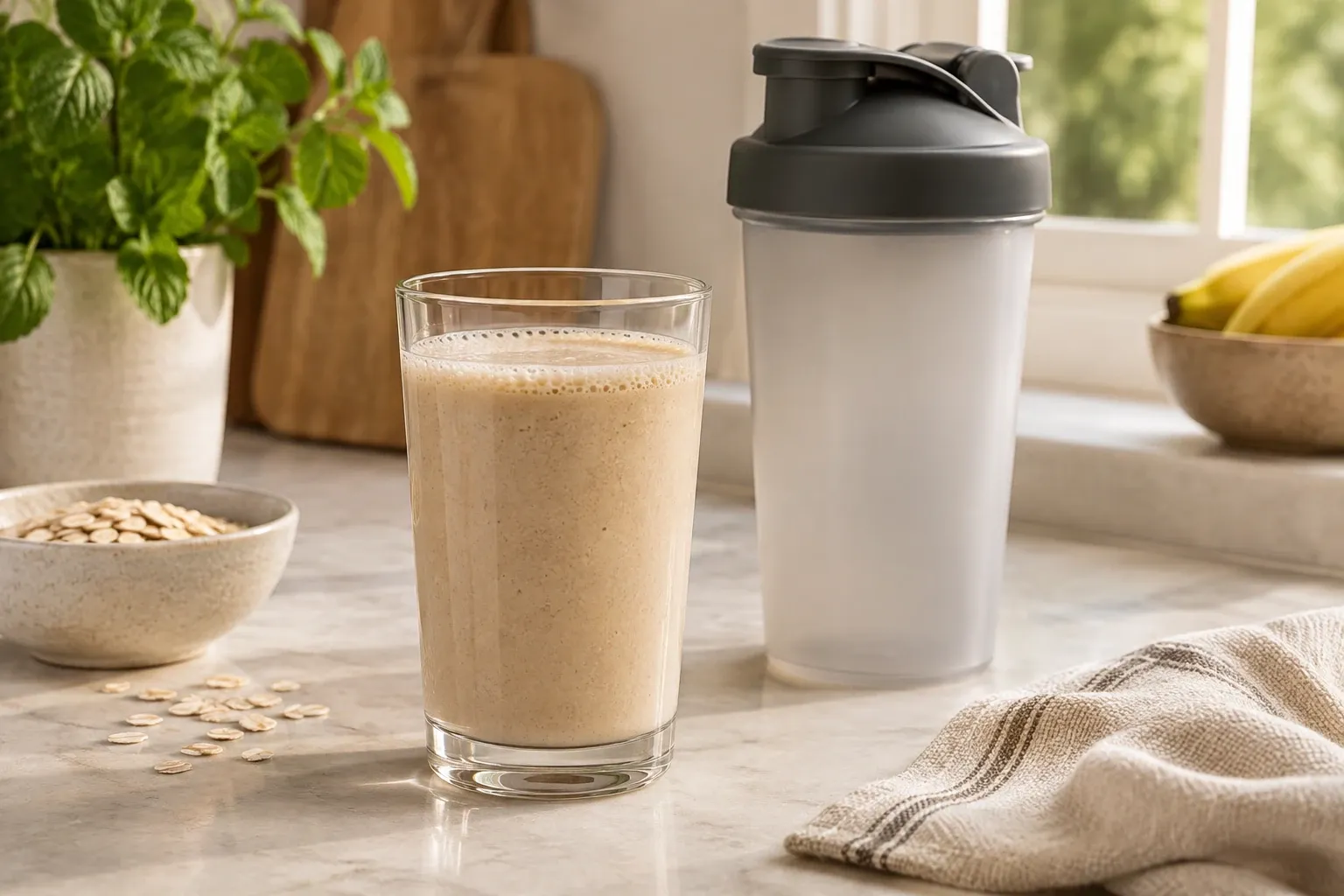
A shake in your bag can be practical when you are short on time, but the words on the tub do not tell you everything about what it replaces. Some products are intended as a meal; others are mainly a source of protein, or a drink to have alongside food. If you are training for a run or strength goal, that difference matters: convenience should support your routine, not leave you short of the food and energy you need. Start by checking the product’s intended use and nutrition information, then consider how you will use it in the context of your usual meals.
What do you need the shake to do?
If you are weighing up meal replacement shakes, start with the occasion rather than the marketing. Are you trying to carry something convenient for a day when lunch is difficult, or looking for a quick protein source after a session? Those are different jobs. A product described as a meal replacement is meant to stand in for a meal according to its directions. A protein shake may be intended mainly to add protein to your diet. The terms are not interchangeable, and a high protein figure by itself does not show that a product is a complete meal.
For training, think about the rest of your day too. A shake does not need to replace a meal simply because you exercised. Your ordinary eating pattern, appetite, schedule and training demands all matter. If you want help fitting everyday meals around activity, what to eat to train and recover is the broader question to consider; a single product cannot answer it for you.
What should you check on the label?
Read the preparation instructions and the nutrition information for the serving you will actually use. Check whether the listed values refer to the powder alone or a prepared drink, and whether the directions ask you to add milk or another ingredient. Changing how you prepare it can change what you consume, so use the information for the finished serving rather than comparing numbers that describe different amounts.
Look at the whole panel, not just protein. Check energy, carbohydrate, fat, fibre, sugars, salt and the listed vitamins and minerals, where provided. Compare the serving size with what you would normally eat at that time. Ingredients and allergens matter as well: look for anything you need to avoid, and check whether the product suits your dietary preferences. If you have a condition that affects what you can eat, ask a healthcare professional for individual advice rather than assuming a general-purpose shake is appropriate.
The label can help you understand what is in the product, but it cannot guarantee that it will keep you satisfied or suit your training. Taste, texture, cost and portability are practical considerations. Try to judge the product by whether it works in your real routine, not by claims that promise a particular body or fitness outcome.
How do meal replacements differ from protein shakes?
A meal replacement is intended to take the place of a meal, while a protein shake is generally used as a protein-containing drink or supplement. Product names can be confusing, so check the stated purpose, directions and nutritional information rather than relying on the word “shake”. If the serving is designed as a snack or protein top-up, do not assume it provides everything you would expect from a meal.
A shake may be convenient when you cannot sit down to eat, but ordinary foods give you other choices of texture, ingredients and portion size. A sandwich with a filling, yoghurt and fruit, or leftovers might be just as practical, depending on where you are and what you prefer. If making food ahead is the obstacle, simple meal prep for training weeks can help you compare portable meals with a ready-made drink.
When is a total diet replacement different?
Replacing one meal occasionally is not the same as following a low-energy diet made up of meal replacements. The latter is a structured dietary intervention with clinical considerations, not an ordinary convenience choice. NICE defines low-energy diets as 800 to 1,200 kilocalories per day and very-low-energy diets as under 800 kilocalories per day. Its guidance says these approaches should not be used as a long-term strategy; they should be nutritionally complete, last no more than 12 weeks, and include ongoing clinical support and supervision.
NICE recommends considering low-energy diets only as part of a wider, supported management strategy for people living with obesity, or people living with overweight and type 2 diabetes. Very-low-energy diets are for people living with obesity who have a clinically assessed need to lose weight rapidly, as part of a specialist service. These are clinical recommendations, not a do-it-yourself plan for someone who wants to change their shape or prepare for a race. Read the NICE guidance on dietary approaches and energy-restricted diets before discussing a supervised programme with a healthcare professional.
NICE also advises discussing risks, the possibility of weight regain and how a wider range of foods will be reintroduced. Before such a plan starts, it recommends reviewing medicines and considering assessment or counselling if an eating disorder or another mental health issue may be relevant. The NHS likewise says very-low-calorie diets are not suitable or safe for everyone and are usually recommended only when weight affects other health conditions and rapid loss is needed. If you are considering this kind of programme, speak with your GP or specialist service rather than creating a total replacement plan yourself, as set out in the NHS advice on overweight and obesity.
How can you put a choice into practice?
First, decide which meal or occasion the product is meant to cover. Then read the serving directions and check the nutrition panel for that prepared serving. Compare it with realistic alternatives you could carry, prepare or buy. If you choose a shake, follow the product directions and think about what you will eat at other meals; do not treat a single drink as a reason to skip food when you are hungry or to cut back automatically on meals around training.
For an eventful training week, convenience may matter more than having the same breakfast every day. Keep a few options available, such as a meal you have prepared, a snack with a drink, or a product whose purpose and serving are clear. A shake is one option among these, not a shortcut to better performance or weight loss. If you are counting calories or changing your intake substantially, make sure the approach remains appropriate for your health and activity rather than copying a plan designed for someone else.
How can you tell whether it is working for you?
After trying a product, notice practical outcomes: did it fit your schedule, did you enjoy it, and were you ready for your next meal at a time that worked? Check whether you are still eating a varied pattern that suits your needs, rather than gradually replacing more meals because the first swap was convenient. If you feel unwell, your appetite changes substantially, or you have a medical concern, stop and seek individual advice.
If your goal is training rather than weight management, judge the choice by whether it helps you eat reliably around your sessions without turning food into a complicated calculation. You do not need to buy a meal replacement to get fitter. If you do use one, treat it as a practical food choice, read the label carefully, and keep the rest of your routine grounded in meals and snacks you can sustain.
Frequently asked questions
Can I use a meal replacement shake after a workout?
You can include one after training if it suits your appetite and routine, but the label alone does not show whether it meets your needs as a full post-workout meal. Check what the product is designed to replace and consider whether you also need food or a drink. A protein shake is not automatically a meal replacement, and neither type is required simply because you exercised.
Can I replace every meal with shakes to lose weight?
Do not start an all-shake or total diet replacement plan on your own. NICE says low-energy and very-low-energy diets should be nutritionally complete, limited to no more than 12 weeks and supported by ongoing clinical supervision. These approaches are intended for specific weight-management situations, not as a long-term routine. Speak to a GP or an appropriate healthcare professional before considering one.
What should I do if a shake affects my medication or health condition?
Ask your GP, pharmacist or dietitian before making a substantial change to your diet, especially if you take regular medication or have a health condition. NICE recommends reviewing medicines before a low-energy or very-low-energy diet and considering whether an eating disorder or other mental health issue could make that approach unsuitable. Do not adjust prescribed medicine yourself.