Electrolytes and hydration for everyday training
For an ordinary training session, water is often enough; longer or more demanding exercise can raise different fluid and fuelling needs. Use the session, your symptoms and the product label to decide whether electrolytes add anything useful.
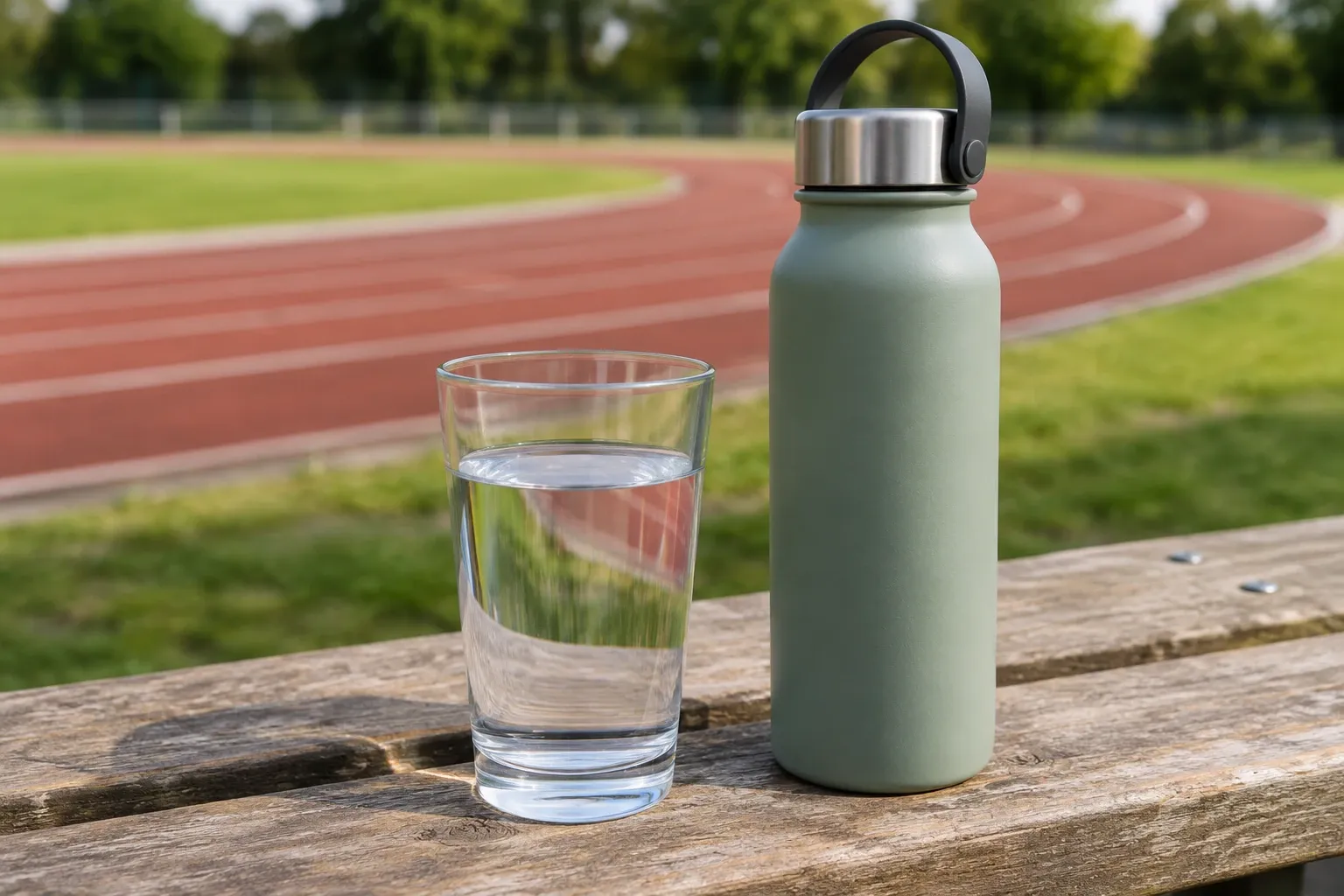
You may see electrolyte tablets and sports drinks promoted as essentials for running, gym sessions or recovery. They are not automatically needed whenever you sweat. Electrolytes are minerals such as sodium and potassium that help regulate functions including fluid balance; drinks sold for exercise vary in how much electrolyte and carbohydrate they contain. The practical question is what your activity calls for, not whether a product sounds more advanced than water.
What do you need to drink on an ordinary day?
Hydration is a daily habit, not a supplement routine. The NHS says the government’s general guide is 6 to 8 cups or glasses of fluid a day, while noting that needs vary. Water, lower-fat milk and lower-sugar drinks, including tea and coffee, count; some fluid also comes from food. The NHS suggests using pale-yellow urine as a practical everyday sign, not as a precise measurement or a reason to keep drinking when you are not thirsty. See its advice on water and daily hydration.
That daily guide is not a target to force down around a workout. You may need more fluid when you are physically active for a long time, in a hot environment, pregnant or breastfeeding, or ill. Drink regularly through the day and take account of heat and exertion. There is no single amount that suits every person and every session.
If you are planning meals around training as well as fluids, everyday food is the starting point. The nutrition basics for training can help you consider the whole diet rather than treating an electrolyte product as a substitute for meals.
When might water be enough?
For a short, familiar session in comfortable conditions, water is often a sensible choice. The NHS advises drinking extra fluids after sweating from physical activity and says water is the best way to replace lost fluids. In practice, you can carry water if you want it, drink when thirsty and adjust for the conditions, without assuming every workout needs a special formula.
A sports drink is not simply “water with minerals”. It can provide carbohydrate as well as fluid and electrolytes. That may be useful when exercise is sustained or demanding and you want fuel during the session, but it may be unnecessary for a brief, easy workout. Drinks also differ: check the nutrition label for carbohydrate, sugars, sodium and serving size rather than relying on claims on the front of the pack.
If your routine sometimes involves a shake in place of a meal, keep that separate from hydration decisions. The useful question when choosing a shake for your routine is what role it plays in your eating pattern; it does not make an electrolyte drink necessary.
What changes during longer or harder exercise?
Longer sessions can mean more time sweating and, depending on the activity, a need to take in carbohydrate as well as fluid. The Australian Institute of Sport describes sports drinks as carbohydrate-electrolyte drinks intended to provide fluid and fuel together. Its guidance gives a typical composition range of 4–8 g of carbohydrate per 100 ml and 23–69 mg of sodium per 100 ml for rapid fluid and fuel delivery with gastric tolerance. These are product and sports-nutrition context ranges, not a personal prescription or a rule that every runner needs a drink.
The same institute’s example guidance distinguishes exercise under 45 minutes, when carbohydrate is not needed for exercise fuel, from sustained high-intensity activity of 45–75 minutes, when small amounts may be useful, and endurance exercise of 1–2.5 hours, where it lists 30–60 g of carbohydrate per hour. These figures concern fuelling strategies in sport; they do not establish how much fluid you personally should drink. The Australian Institute of Sport’s sports-drink guidance also notes that requirements depend on the activity and individual context.
For a long run or event, practise any food or drink plan in training rather than trying an unfamiliar product on the day. If you need carbohydrate, you might compare a sports drink with food or other sports products, considering what is practical for your activity and comfortable for your stomach. A drink’s electrolyte content is only one part of that choice.
How do you compare water, sports drinks and electrolyte products?
Water is a straightforward option for everyday hydration and many ordinary sessions. A sports drink combines fluid and carbohydrate with electrolytes, so it may suit a longer session where both fluid and fuel are relevant. Electrolyte tablets or powders can add minerals, but formulations differ and some provide little or no carbohydrate. They do not automatically offer an advantage over water, nor do they replace food when you need energy.
Keep the purpose in view. If you are choosing a drink for a routine workout, ask whether you need fuel during it at all. If you are training for a longer event, consider whether a drink is a practical way to take in carbohydrate and fluid. If you have been vomiting or have diarrhoea, this is a different situation: the NHS says a pharmacist can recommend an oral rehydration solution to replace fluid, sugar, salts and minerals lost through illness. Do not treat an exercise product as interchangeable with that solution.
Sports drinks can also contribute sugar and calories, and the Australian Institute of Sport notes that they are not needed at every training session. If you use one, make it a deliberate choice that fits the session, not a default drink for the whole day. Avoid taking extra salt or concentrating on electrolyte intake without a reason.
How can you put the choice into practice?
Before setting out, consider how long and hard you expect to exercise, the temperature, whether you will have access to fluids and whether you need fuel. For a short, easy session, take water if you want it. For a longer or more intense effort, decide in advance whether you need carbohydrate as well as fluid and choose a product or food you have already tolerated. Keep the packaging directions in mind; a product’s suggested serving is not a universal hydration target.
During activity, respond to thirst and conditions rather than trying to outdrink your losses. Do not force large amounts of water, and do not assume electrolytes make excessive drinking safe. Afterward, drink to replace fluids and eat normally; a sports drink is one possible source of fluid and carbohydrate, not a required recovery step. If you are managing calories or meal timing alongside training, making training-week meals easier can help you plan food without relying on drinks for routine nutrition.
People with kidney or heart conditions, or who take medicines that affect fluid balance, should get individual advice from a clinician or pharmacist before changing fluid or electrolyte intake. This is particularly important if you have been told to limit fluids or sodium. General sports guidance is not a substitute for advice tailored to a health condition or medication.
What signs should make you stop and seek help?
Thirst, headache, light-headedness, tiredness, a dry mouth, dark yellow urine or urinating less often can be signs of dehydration. If you notice them while exercising, stop, move somewhere cooler if relevant and take fluids in small sips if you feel able. Do not keep pushing through symptoms to complete a planned session.
The NHS advises urgent help through NHS 111 or an urgent GP appointment for signs including dizziness on standing that does not go away, unusually tiredness, dark urine or reduced urination, or a fast heart rate or breathing. It advises calling 999 or going to A&E if someone with dehydration is confused, difficult to wake, unusually sleepy, has cold skin, blue or pale/blotchy skin, or difficulty breathing, as these can indicate shock. Read the full NHS dehydration symptoms and urgent advice and act on those warning signs rather than trying to manage a serious problem with an electrolyte product.
A useful check after a session is whether your plan matched the workout: was water practical, did you actually need fuel, and did the drink sit comfortably? Adjust based on your next session and the conditions. The aim is a workable approach to hydration, not adding electrolytes by default.
Frequently asked questions
Do electrolytes prevent dehydration?
Electrolytes do not make dehydration impossible. You can still lose more fluid than you take in, particularly when exercising in heat, sweating heavily or becoming unwell. Drink according to the conditions and your needs rather than treating a tablet or sports drink as protection. If you develop concerning symptoms, stop exercising and follow NHS advice.
Can I use an electrolyte drink for a short run?
You can, but a short run does not automatically require one. For many routine sessions, water is adequate, and a sports drink may simply add carbohydrate, sugar or cost you do not need. Consider the session’s duration and intensity, the weather, how much you sweat and whether you also need fuel.
Are sports drinks the same as oral rehydration solutions?
No. Sports drinks are designed to provide fluid and carbohydrate for exercise, alongside electrolytes. Oral rehydration solutions are used in situations such as fluid loss from vomiting or diarrhoea and have a different purpose. If illness is causing fluid loss, ask a pharmacist or follow NHS advice rather than assuming an exercise drink is an equivalent substitute.
Should I drink extra to avoid cramps?
Do not force large amounts of fluid or take extra salt as a general cramp-prevention strategy. Exercise-related cramps can have more than one possible cause, and a sports drink is not a universal fix. Drink to suit the session and conditions. If cramps are persistent, severe or accompanied by other symptoms, stop and seek appropriate medical advice.